
What Could Be
Some aggressive vision-casting
Classical Roots is a free weekly newsletter. If you want to support the cause, the best way you can help us is to spread the word.
Years from now, the homecoming event that Classical Roots sponsors, Night of Fire, will involve hand-pressing apple cider from the fruit in our orchard. In the meantime, having created that space, we’re constantly faced with the question of how to use it. Ideally, a split-rail fence of the same kind we have around our vegetable garden would encircle the orchard, and benches or stumps would provide groups of students with somewhere to sit within its many mowed classrooms. But hardscaping is much more extensive than landscaping and, so far, our modest budget hasn’t allowed for these things. We will occasionally—and cheekily—move some of the benches from the school’s courtyard into the orchard, attracting scattered groups of students there at lunch or during study halls. But these benches always get moved back, and what we’re left with is a wild, pretty space that people walk by instead of walking through.
Among other things, this newsletter is the record of something attempting to begin. Of my sustained efforts to slowly take over the school and convince it to invest much more heavily in the program. This is a big ask, given the trust and resources they’ve already placed at my disposal. Between the vegetable garden, the pond, and the orchard, big swathes of the school grounds have already been transformed, but a relatively small slice of the student population actively enjoys these places on a weekly basis. We’re at what I’ve begun to think of as the program’s awkward teen years, full of promise, even occasional flashes of beauty and brilliance, but not fully grown into itself.
You Might Also Like:
I’ll be honest about my ultimate goals: I want Classical Roots to be a one-year, core curricular class that all CCA freshmen have to take. I also want us to invest in large outdoor educational spaces, surrounded by gardens and hedges, where we can offer both inward and outward-facing programming. Picture a large, covered, graveled area outside of the school, surrounded by mature hedges, stuffed with wooden tables, with a huge firepit or outdoor kitchen in the center, that bleeds out into a huge vegetable and cutting garden intersected with gravel paths. Picture every freshman beginning their career at CCA by spending a year learning how to tend this space from the soil up, in all kinds of weather, shoulder to shoulder with their friends. Imagine the way these same freshmen would feel as graduating seniors, watching what they had planted in a state of maturity and flower, a living metaphor for themselves.
Picture parents and other members of the community attending classes on houseplant propagation, composting, cooking, sourdough-making, flower arranging, and landscape design. Imagine the smell of braised chard and fresh sourdough wafting above the campus on a cool October Saturday, as parents, students, and volunteers gathered to learn how to make the most of the harvest raised right there at school.
Picture a hedged community garden on the eastern flank of the school, where CCA families who have no garden spaces of their own could work alongside people in a similar boat from the surrounding towns. Imagine being able to take baskets of beans or fresh tomatoes or bundles of fresh-cut flowers to local homeless shelters and food kitchens. And imagine all of that being part of school, not some add-on or extra-curricular, but a revolution in the old sense of the word, a returning to the classical and medieval foundations of our education, where schools always, always included gardens. Gardens where you could walk, think, fellowship, and feast.
All of that still feels a long way off. But, with your help and a little trust, I really do think we’ll get there. I think it’s closer than we think.
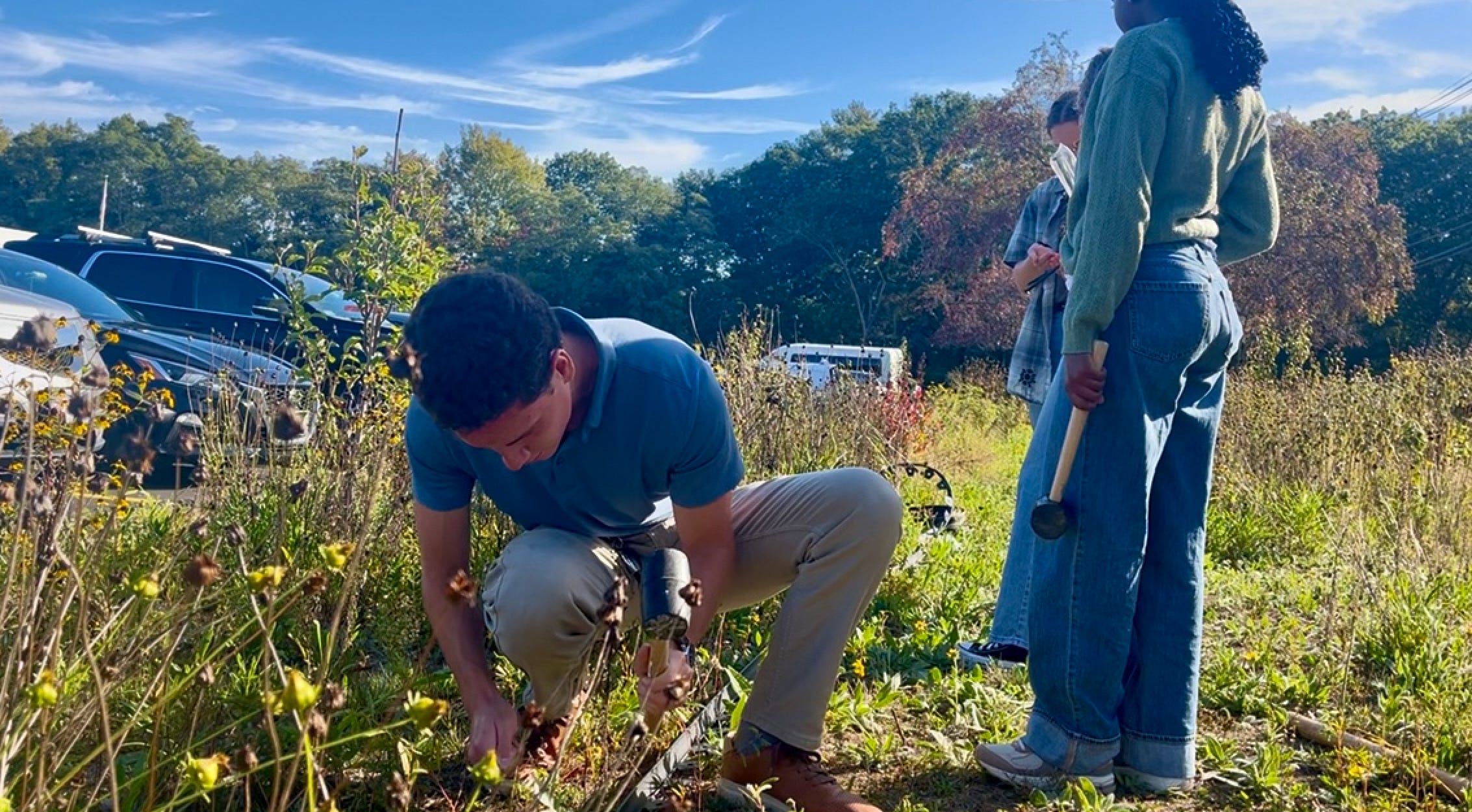
In the meantime, my handful of students and I are hammering edging along the paths in the orchard. Next month, we’ll line the paths with landscape cloth and fill them with French pea gravel. It’s not so much an attempt to finish the orchard as to invite people into it, to feel the crunch of gravel underfoot, walk the paths, and get excited about what could be there in a year, or two, or ten.
If you enjoy what you’re reading here and want to support us, why not subscribe? It’s free to all and you’ll get access to our weekly posts, as well as a weekly subscriber-exclusive chat where we brag about our gardens and beg for advice. It’s the best way to support us.
Also: Tell me what you think! Your comments are part of what makes this program worth doing and this newsletter worth writing. If you have thoughts, advice, questions, or enthusiasm, let me know! Others are waiting to join the conversation.
I can see it all as described. The vision and reasoning behind it are solid. Can't wait to visit it all someday.
This. Yes.