
Two Steps Forward
...and one or two back
Classical Roots is a free weekly newsletter. If you want to support the cause, the best way you can help us is to spread the word.
I’m told that, among the top ten snowstorms in Boston history, two occurred over the last six weeks. All of the familiar geography, both at home and at school, has therefore been muted, drifted, and transformed by a blanket of white so thick that it swallows benches, occludes raised beds, and—unfortunately—flattens trees. Well, it is the plows rather than the snow itself that has done the actual tree-flattening on campus. My current guess, from what splintered branches I can see sticking out at wrong angles through the dirty snow, is that we’ve now lost six orchard trees to the plows, around a quarter of the total. A depressing and preventable reality, but also a valuable reminder that the weather is an unalterable thing that must be worked with—anyone who tries to work against it is only wrestling the sea.
Trees can be replanted. Crops can be resown. Gardening is not about one or two beloved plants but about a long investment in the flourishing and beauty of a particular place. And the extended forecast—an untrustworthy source of hope, but one I tend to cling to in March—shows highs in the sixties. In fact, over the weekend, the temperature passed fifty for the first time in weeks and, jacketless, I stood in front of the house with the sun on my face, listening to the birdsongs’ arpeggios and the gurgling of a thousand little rivulets of snowmelt running down the rooftops and the streets. No scent of spring was in the air, but the strong light and the sound of moving water were as sure a sign of it as you could ask for. It was like a bath for the soul.
You Might Also Like:
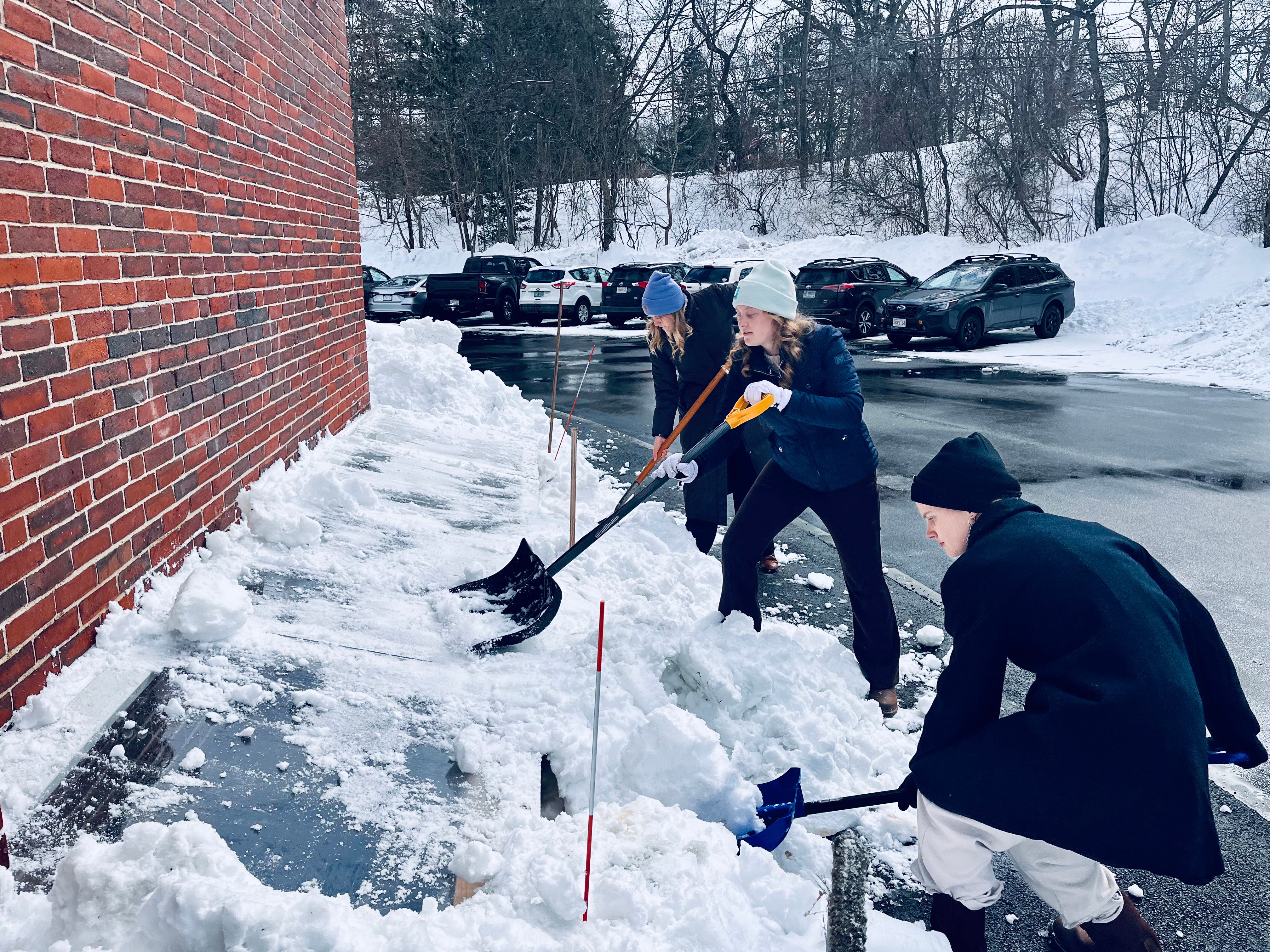
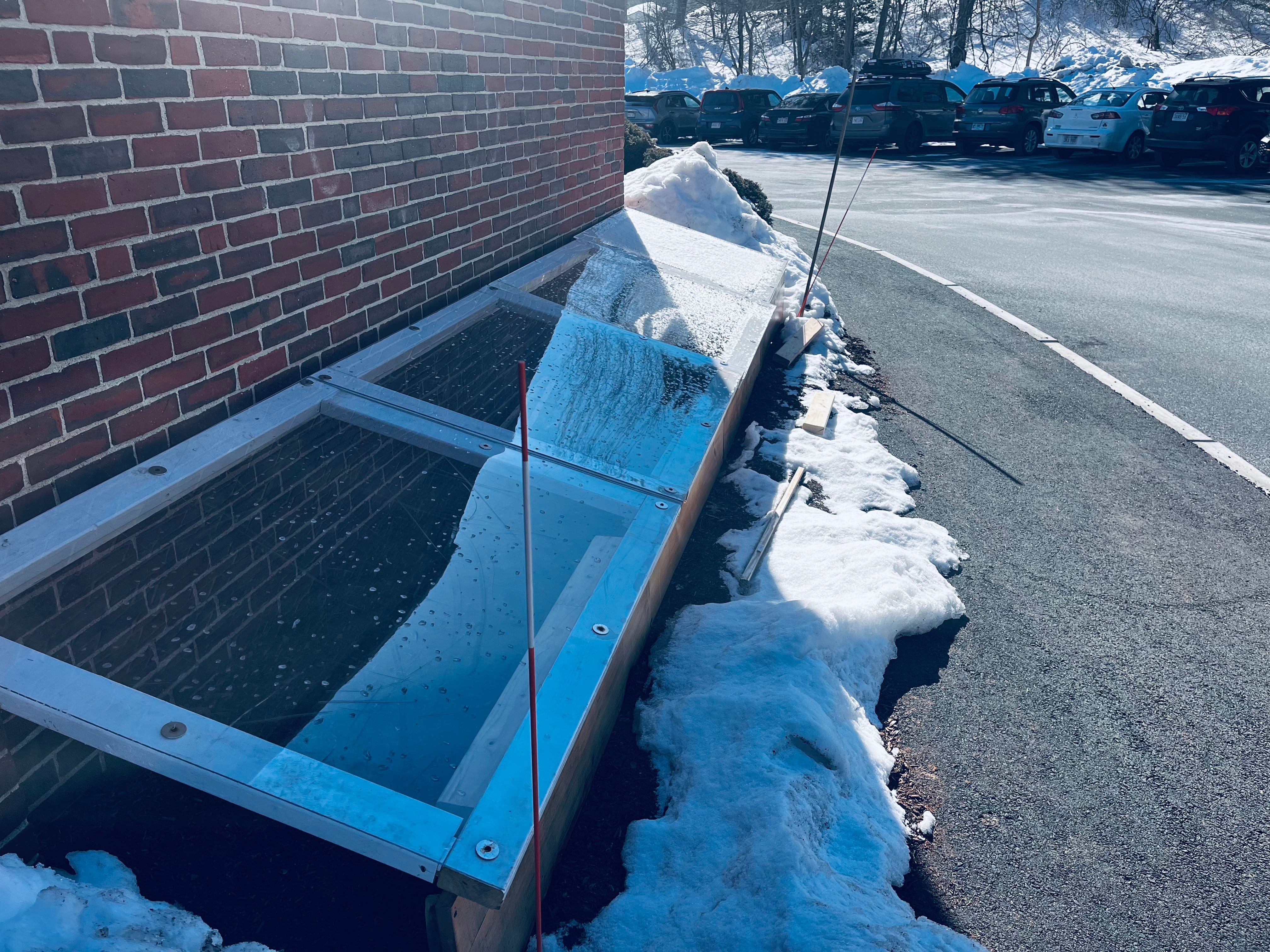
The loss of the trees highlights the urgency of one particular task: the sixteen-foot-long cold frame I am building along the western side of the school. Though its partially-completed structure was smashed at least once by a snow blower, and though the blizzard piled more than a foot of snow onto it, necessitating an hour of digging from my students to liberate the whole thing again, the project is taking shape at last, promising a warm, effective halfway house for the many plants we are now raising from seed. As I type, I can see the trays of parsley, peppers, snow peas, and arugula that will soon populate those frames, getting bigger day by day under their solar lights in my classroom.
Putting store-bought plants in the ground is a satisfying thing, but these cold frames will allow us to grow much of what we plant from seed and, during the autumn and winter, to take cuttings of yew or holly to make into hedges. I’ve indulged myself in some automatic hydraulic panel-openers that will regulate the frames’ internal temperature while the students and I are away over the weekend and, on the whole, I am very satisfied with this project, especially since it has been made entirely of reclaimed wood and leftover plexiglass we had lying around in the school basement.
In his book Down to Earth, Monty Don writes that, in gardening, we should “accept no ugliness as a given.” Many realities in the world are ugly, and not all that is good is beautiful. But, humble-looking as these cold frames are, they have a kind of sheen of hopeful beauty when I look at them, since they promise the bourgeoning of our ability to transform the campus—to invest long-term in the beauty of the place we’ve been given, no matter the setbacks or the weather.
If you enjoy what you’re reading here and want to support us, why not subscribe? It’s free to all and you’ll get access to our weekly posts, as well as a weekly subscriber-exclusive chat where we brag about our gardens and beg for advice. It’s the best way to support us.
Want to support the program and look great, too? Check out our Squadlocker store for exclusive merch. All proceeds go to fund future Classical Roots projects!