
The Tipping Point
"Seeking the threads to connect them"
Classical Roots is a free weekly newsletter. If you want to support the cause, the best way you can help us is to spread the word.
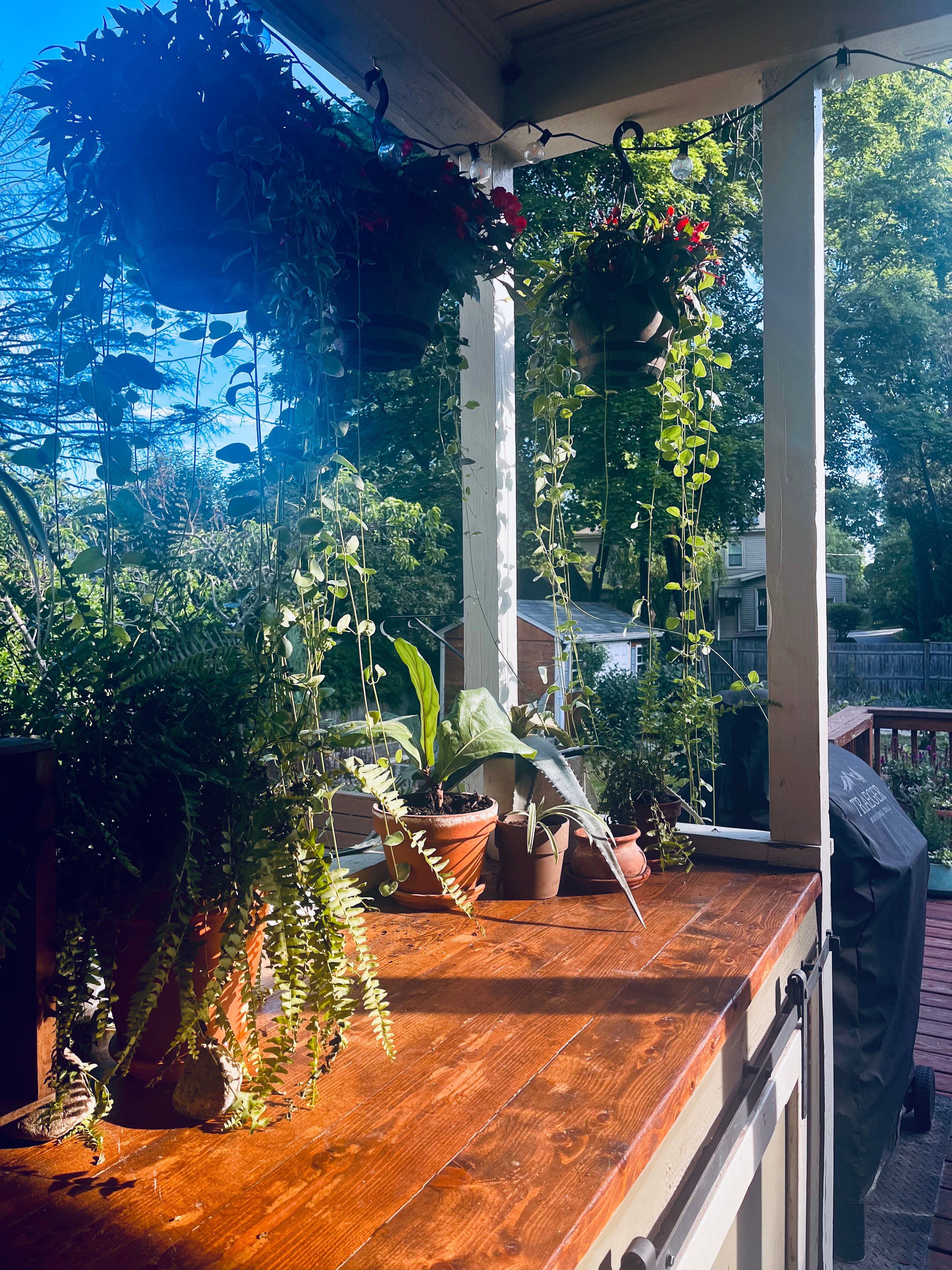
Yesterday was the summer solstice. After a sunny morning, the moody clatter of a thunderstorm set in, killing the wind and enveloping everything within sight of the house in a cowl of silver-gray rain, stabbed through by white knives of lightning. We lit candles on the little table on our covered back porch—the sanctum and center of the house for six months of the year—and read, and talked, and watched it all come down. Rain has a way of spreading sacredness and intimacy over things, and even the casual business of Facetiming our boys, who are away with their grandparents in Michigan, or planning next week’s menu, seemed vaguely sacramental, and we found ourselves speaking in low tones as if we’d just stepped into a cathedral. After dinner, the rain blew off, trailing coiled streamers of cloud, and the sun angled down onto the washed trees, roses, and freshened grass, the pure distillation of light itself.
I’ve always associated a bit of melancholy with the tipping point of the light. There’s something sobering and even funerary about the knowledge that, no matter the temperature or the local signs of greenery and flourishing, the light will now be lessening bit by bit, day by day, all the way until the opposite solstice in December. But this year, perhaps because I am older or maybe because I have been paying closer attention, passing the solstice feels less like the tide turning against growing things and more like a necessary and inevitable moment in a rhythm. High tide thrashing against breakwaters and granite rocks can be beautiful, but ebbing tide and low tide have their loveliness, too, and after all, if the daylight just kept getting longer and longer, my garden wouldn’t flourish; it would fry.
You Might Also Like:

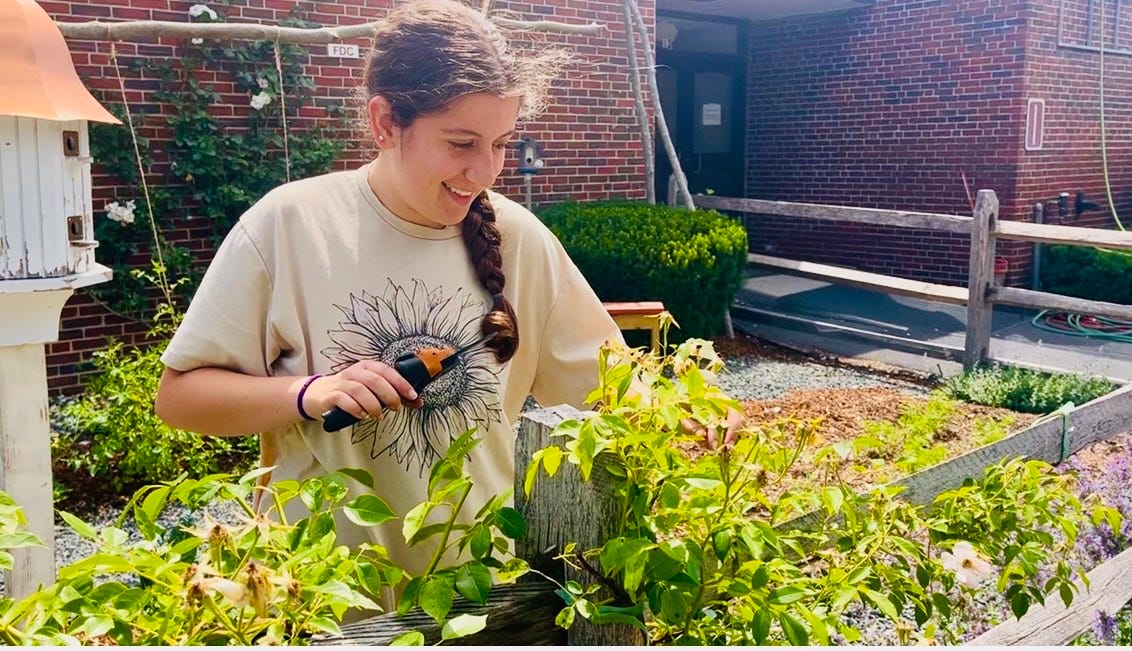
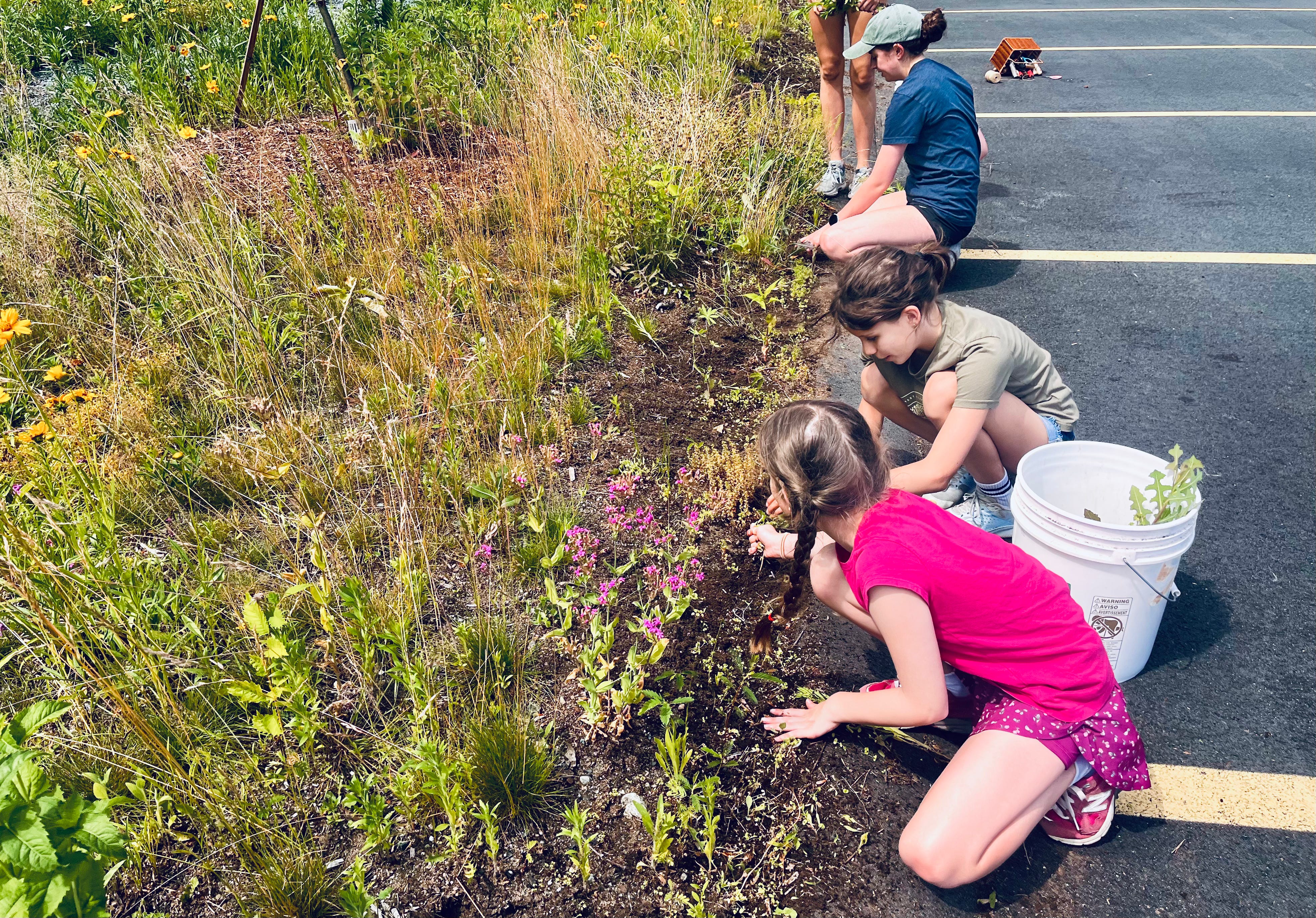
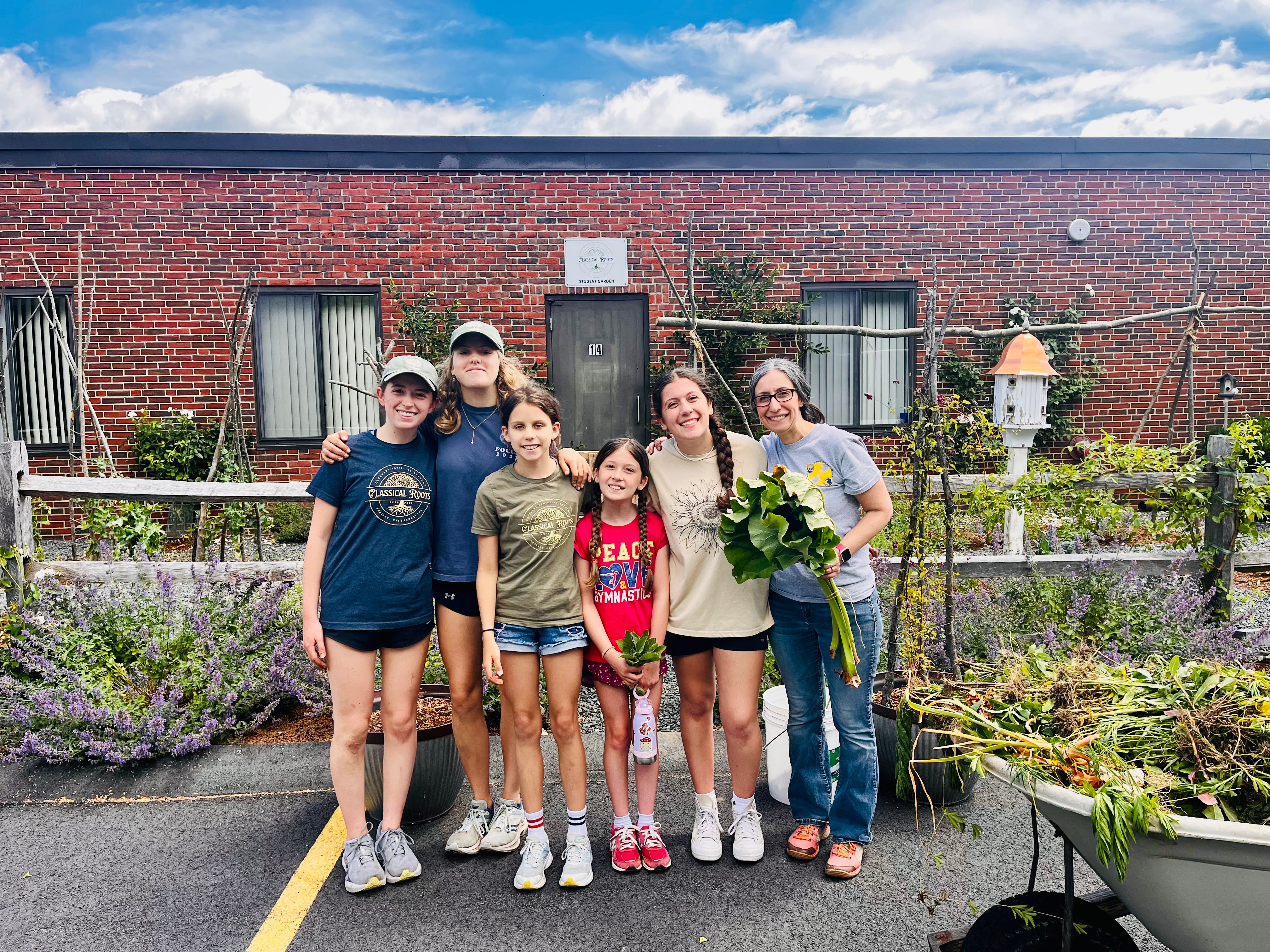
Once you’ve been writing for long enough, you get acquainted with a quiet and steady voice, a division or offshoot of your imagination, that lives in your head and never quite shuts up. It’s the voice of comparison, what Walt Whitman called the “noiseless, patient spider” of the artistic impulse that is eternally “seeking the threads to connect” the various spheres of human and natural existence. That voice is always trying to liken things, to bring them together. And the voice has been mumbling a good deal to me lately about tipping points. As the local light turns over and begins to ebb, the voice has been asking me about the last five years of work I’ve put into the Classical Roots Program, what progress has been made, and what I want from it in the future. Has it succeeded? What would constitute success? I have always said that, for me, success or failure happens on the individual level of my work with students. Did this sophomore or that third grader learn something today? Did they get their hands dirty? Did the demonic claws of the AI attention economy slacken their hold on this high schooler just a bit while they were too invested in taking softwood cuttings or weeding the paths in the orchard to check their phone? If I can answer yes to any of those questions, I’ll count myself a success.
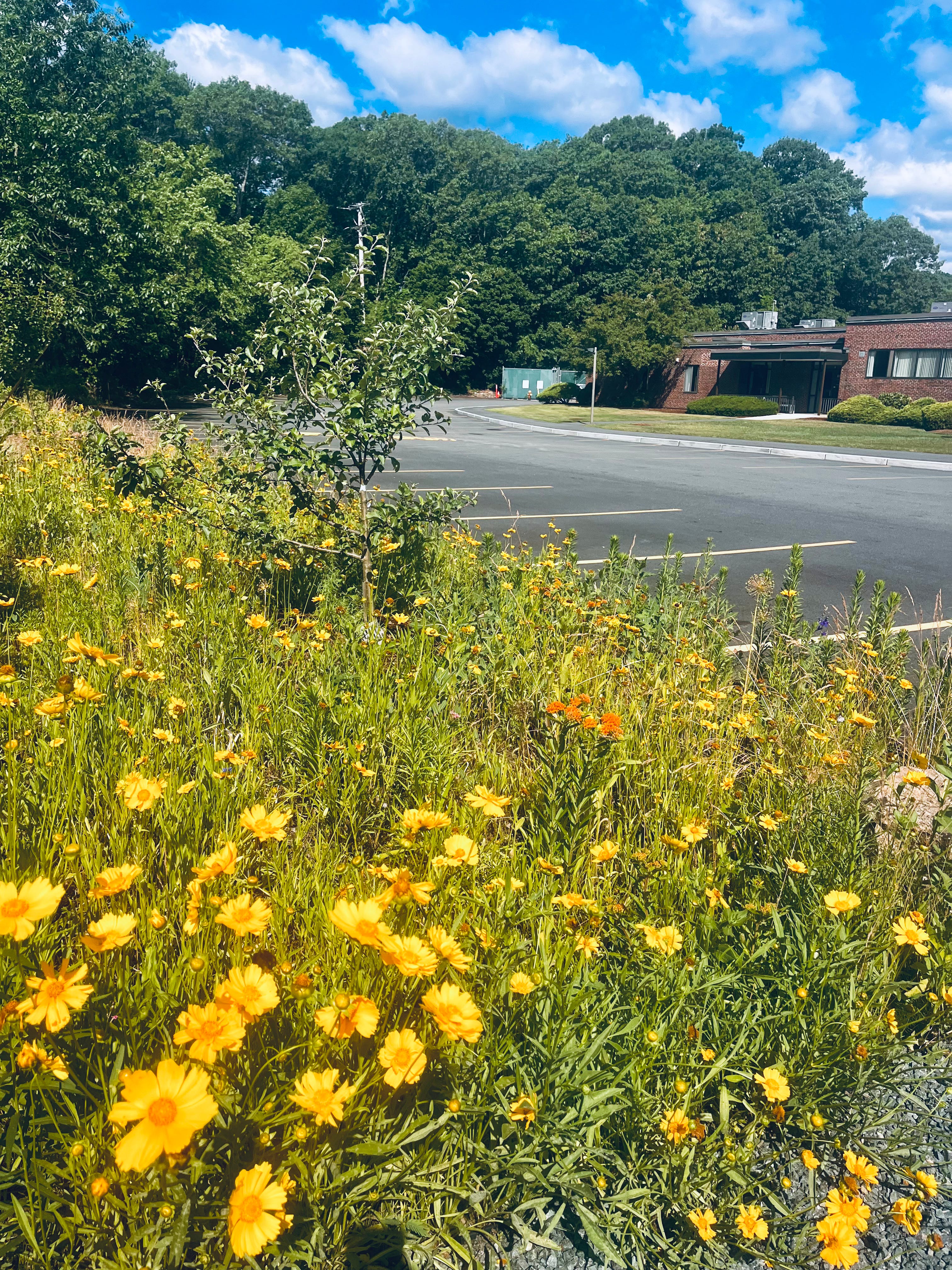
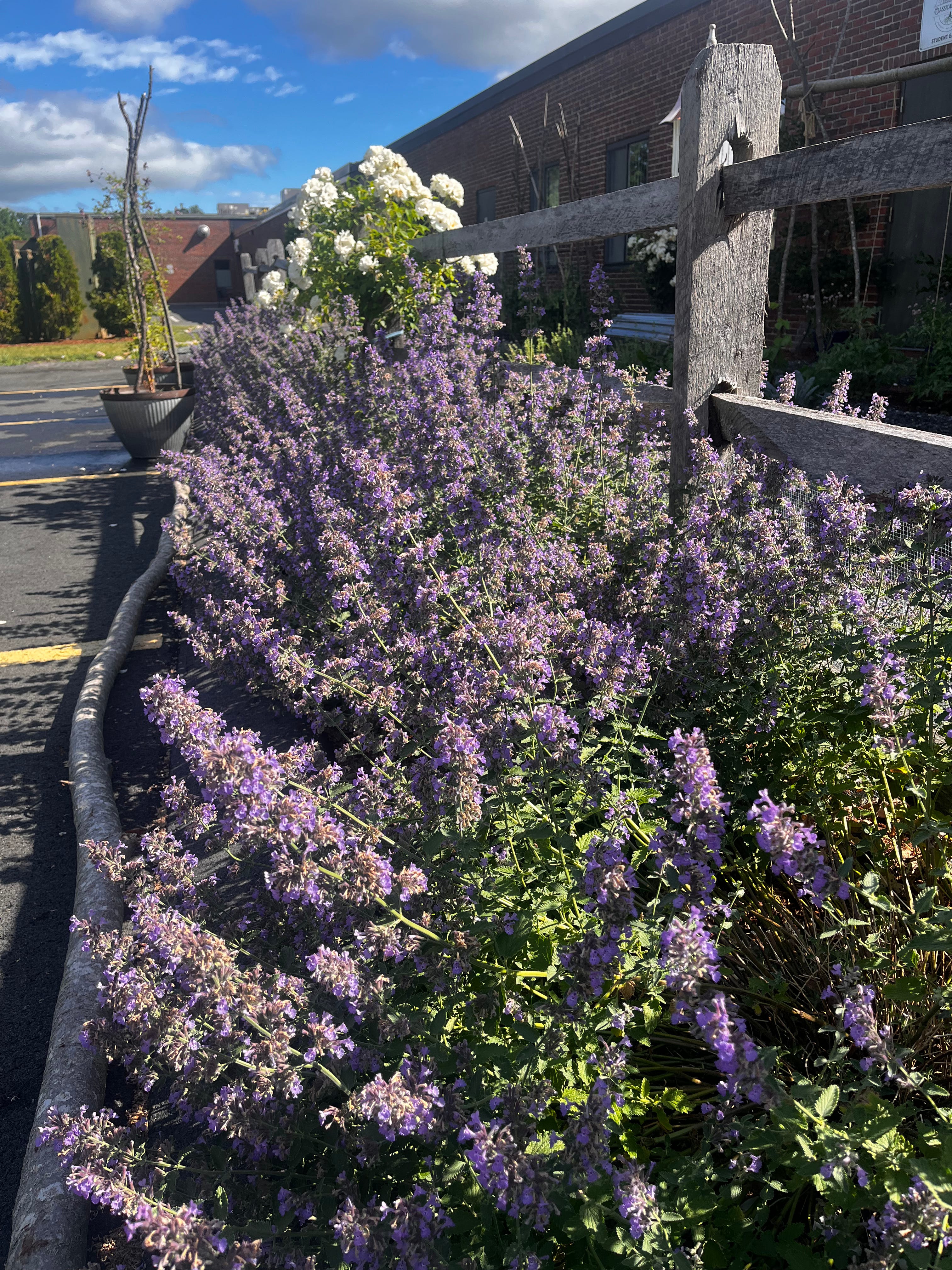
But there is merit in taking a broader look at the program. Where does it need to go? What does it need to do? It has now grown from something shoehorned into my English curriculum to a recognized program at the school, with its own budget, leadership, volunteer program, and elective classes. Has it passed a tipping point? Maybe so. Or perhaps the turning of the light, for the Classical Roots Program, is still ahead. I imagine a series of interconnected spaces and classes and communities, all part of the school and yet organized separately from it, where students and teachers from other schools, public or private, can come to receive intensive training. I imagine whole curricula, composed for a variety of needs and on a variety of scales, presented in crisp books or PDFs, ready to hand for anyone who wants to try something like this in their town. I imagine cooking spaces and gathering places where parents, enthusiasts, and neighbors can gather on campus and eat food grown by students, prepared by local chefs, on a campus that has been transformed from a biological desert to a locus of flavor and flourishing.
I imagine a lot of things. I also imagine that, when the tipping point does come for the Classical Roots Program, I probably won’t notice it. And that is for the best. Better to stay busy, and keep digging, and let the sun and rain do what they will.
If you enjoy what you’re reading here and want to support us, why not subscribe? It’s free to all and you’ll get access to our weekly posts, as well as a weekly subscriber-exclusive chat where we brag about our gardens and beg for advice. It’s the best way to support us.
Want to support the program and look great, too? Check out our Squadlocker store for exclusive merch. All proceeds go to fund future Classical Roots projects!
I love that you have a covered porch 😎