
The Long Thaw
Let the light in
Classical Roots is a free weekly newsletter. If you want to support the cause, the best way you can help us is to spread the word.
This morning, I woke to a gray sunrise strangled by clouds. Before the coffee was even ready, the roar of heavy rain had begun against the roof, a true March downpour that promises to last all day and all night. With the first steaming cup in hand, I looked out of the back door at the wrestling shimmer of the rain, and listened to the undeterred cardinals, sparrows, and wrens singing despite the pounding. They seemed to feel the same as I did: that this storm is a kind of catharsis, washing away the memory of a brutal winter along with the last sickly piles of snow.
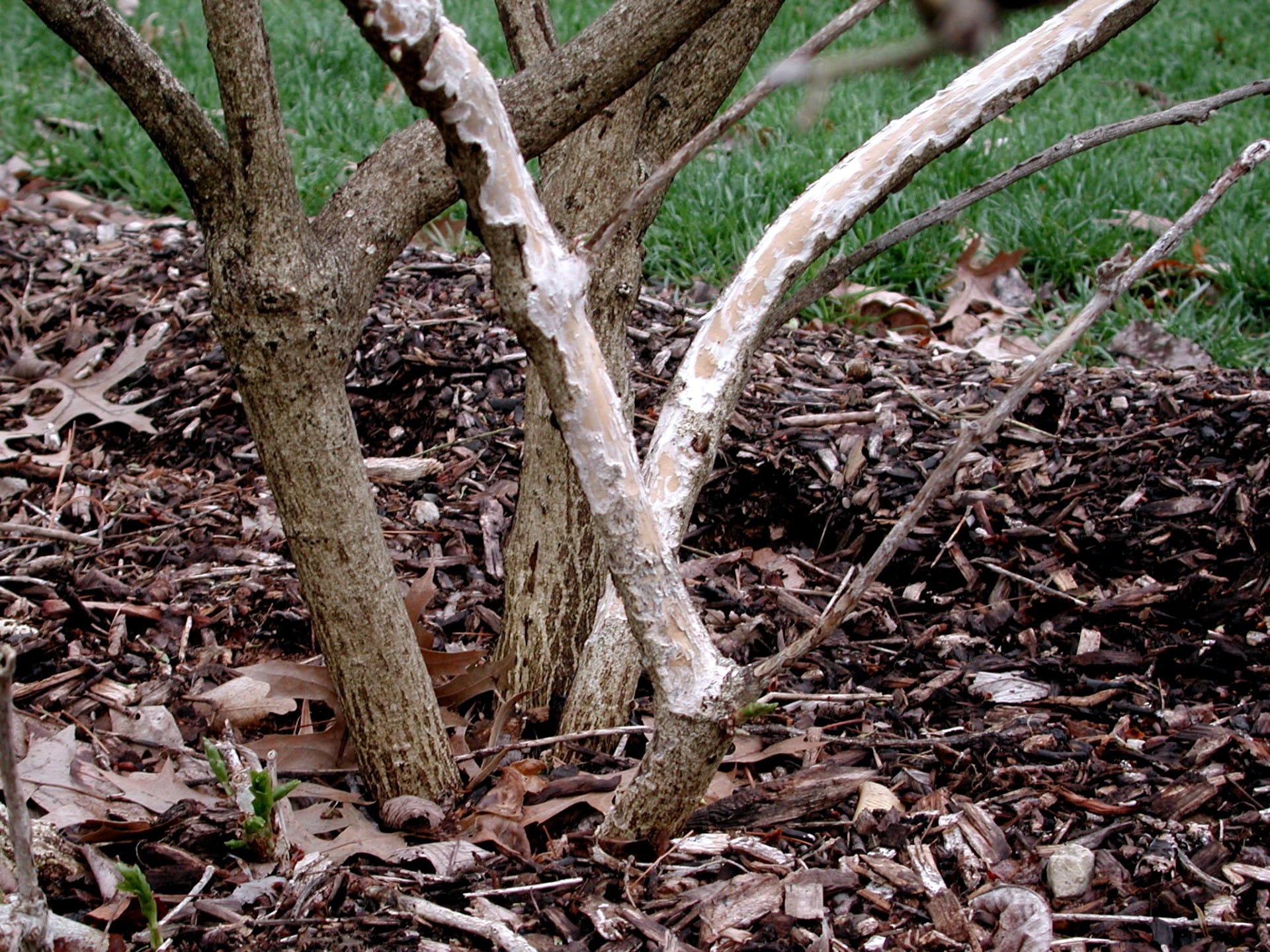
The retreat of the snow meant that this weekend was the first time in nearly two months I could walk freely in the yard, thoroughly assessing the winter’s butcher’s bill. It was surprisingly great: the large pear tree in the back girdled by rabbits and therefore doomed, other shrubs similarly though not fatally damaged, a few small junipers half crushed by lingering drifts, and most of the shrub roses I planted last year nibbled more or less to the ground.
Very little of this damage is irredeemable—there’s even a chance the pear tree might be spared, if I have the patience—it is mostly a matter of pruning the dead wood ruthlessly, heaping garden compost around the feet of the injured trees and shrubs, and allowing the rain and light to do the rest. I certainly did prune brutally this year, hacking back the ancient Rose of Sharon near our western fence by about a third, and mercilessly reestablishing our seasoned apple tree’s open shape. It will respond to that hard trimming with a flush of new growth that I will need to curtail once again in midsummer.
You Might Also Like:
I’ve done a great deal of garden-related reading this year, and found the same piece of advice repeated everywhere: be decisive and be brutal. A hobbyist might collect and even fawn over plants, but a true gardener makes the necessary cuts before it’s too late and, unbelievable as it may sometimes seem, I have now become something of a professional gardener. The readership of this newsletter has nearly doubled this year, and I am being paid to dedicate more and more of my time at school to the Classical Roots Program. It’s an unlikely and sometimes awkward transition, but I walked out into the garden on Saturday with new clarity and purpose.
Certain things had to go, and others had to be curbed. I cut and pollarded and hacked until I was covered in greenish sawdust, watching the light fall thicker and thicker into the garden. Then, I indulged myself in that most symbolic of all annual rituals: pulling the dead roots of last year’s kale and tomatoes out of the vegetable garden, painstakingly raking out every stick and leaf, pouring over three fresh bags of garden soil, addedig a few cups of bone meal and blood meal and, even while the clouds thickened, raking it all to a perfect, level tilth. Nothing was planted—not quite yet—but everything was ready before the rain started to fall.
If you enjoy what you’re reading here and want to support us, why not subscribe? It’s free to all and you’ll get access to our weekly posts, as well as a weekly subscriber-exclusive chat where we brag about our gardens and beg for advice. It’s the best way to support us.
Want to support the program and look great, too? Check out our Squadlocker store for exclusive merch. All proceeds go to fund future Classical Roots projects!
The passion you have for gardening might be described as genetic. Remind me to tell you about your great grandfather and his "green thumb".
Wisdom on where to be brutal sounds like important knowledge.