
The Beautiful Changes
Cool spring, luxurious summer
Classical Roots is a free weekly newsletter. If you want to support the cause, the best way you can help us is to spread the word.
Garden books are having a bit of a moment. From Sue Stuart-Smith’s The Well-Gardened Mind to Robin Wall Kimmerer’s Braiding Sweetgrass, the zeitgeist seems to be flooded with whistle-blowers, pontificators, enthusiasts, and experts who are urging us to get outside and touch the proverbial grass. On the one hand, I find this flush of enthusiasm encouraging—how could it be bad, after all, if it sends a few more people outside? On the other hand, after the bumper crop always comes a sort of surfeit of popular interest, a decline that is the natural reaction to over-exposure. I worry, in short, that what needs to be a sea change in the popular human relationship to gardens will end up dying the swift and permanent death of a fad.
There’s not much I can do about it. And like many before me, I have resolved that the best thing to do, when faced with the savagery and grace of the world, is to stay steady and tend your garden. It’s possible that mine will end up being one small voice drowned out by the general torrent, but if that’s the case, I haven’t lost out on any of the real benefits of starting a program like this, or of writing about it. As Keats said, one has to write as if each day's work will be burned at sunset, because the writing will only be good if it’s the extension of the self.
Writing and gardening have this in common: they both give us the huge collateral benefit of training our attention. In order to garden well, you have to be attuned to the million minute natural changes taking place day to day; changes of humidity and wind, of birdsong and migration, of soil qualities, air qualities, and the angle of the sun. Tuning in to these changes will of course help you know when you should plant out your tomatoes or bring in your lemon trees, but more important than the survival of any one plant is the appreciation you develop over time by staying attuned to the earth. If there is a true fundamental horror in the world, it is isolation. Anything that prevents isolation feeds the soul, and one of the most horrible abandonments in human history has been our gradual, almost unconscious separation from the natural rhythm of the world.
To walk out the door and feel the change in the air that means you can move a tender plant into the soil, to dip your hand into the earth and feel that it has warmed, to hear a yellow warbler or a chimney swift’s song and know that it’s the first of the year, and that this bird, as frail-looking as a blown scrap of paper, has traveled thousands of miles over mountains and seas to nest in your neighborhood chimney, all of that is something close to mystical. It is a reclaiming of the narrative of earthly people, a putting-back of the self into a meaningful place in history and in ecology.
You Might Also Like:
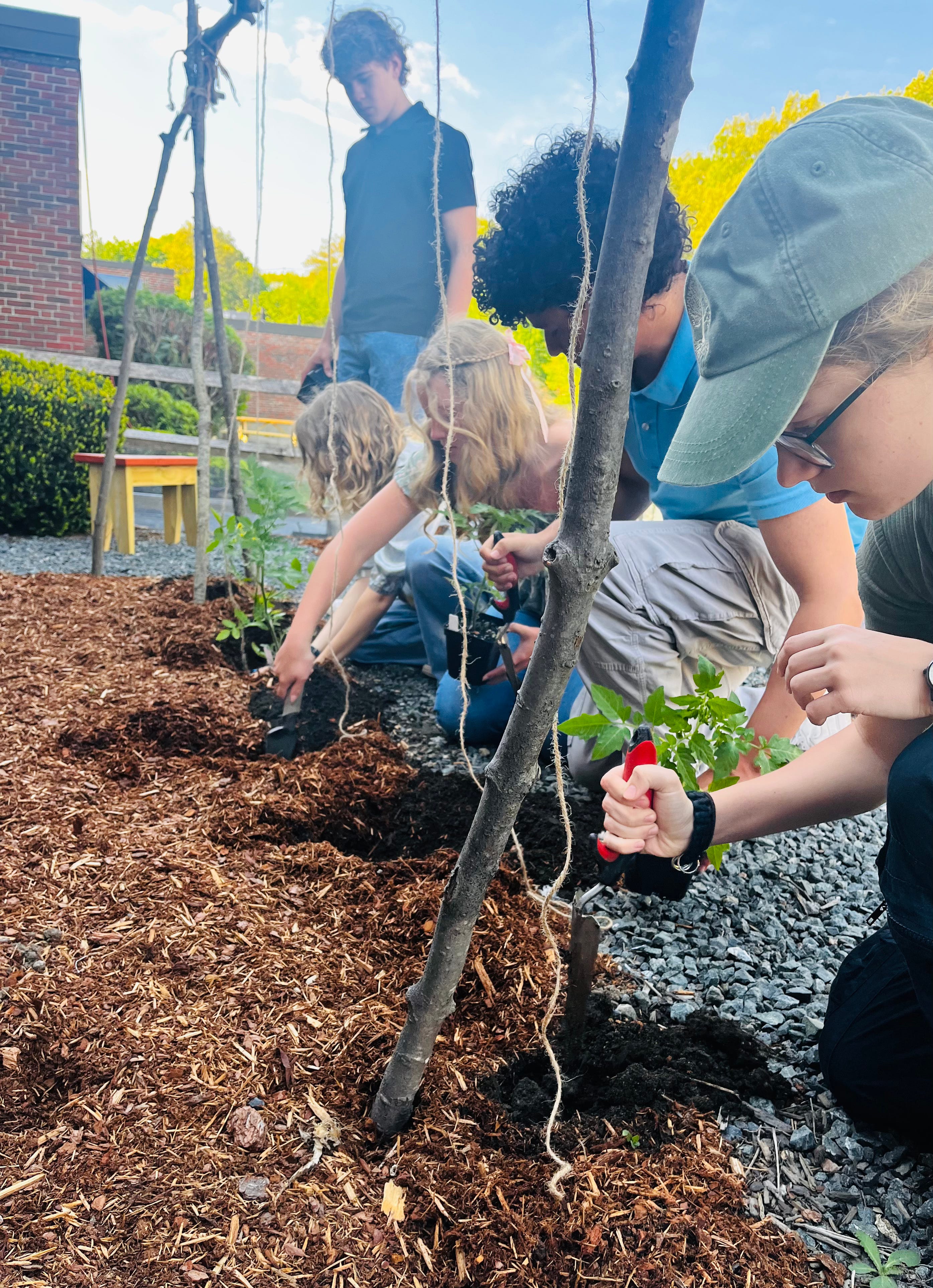
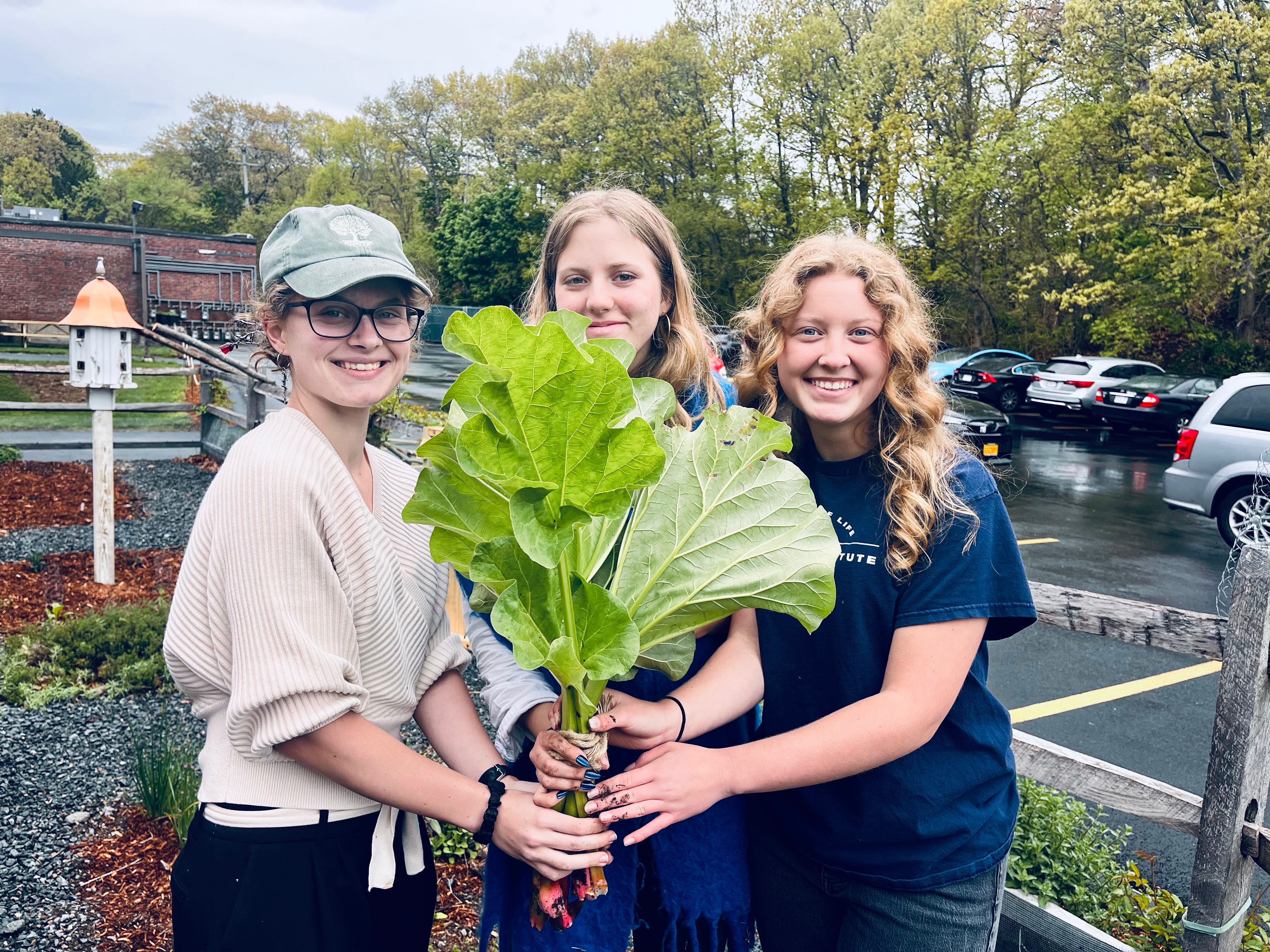
It’s been an honor and a privilege to spend the year sharing some of these gifts, and some of the skills we need in order to reap them, with a very hardworking group of students. Though we’ve been a student leadership organization for years, this was the first time we’ve been able to offer Classical Roots as an elective course. The six students who took the risk and enrolled have worked hard, rain or shine, with or without a plan, and have had to wait patiently to see any results. But this relatively wet and cool spring has now burst into one of the most luxurious summers I can remember and, thanks to their long labors, the campus looks better than ever.
The cold frames they helped me build have allowed us to cram the vegetable garden with heirloom crops, grown from seed, on a scale and at a pace we could not have imagined a year ago. Their sharp eyes and careful toil have removed tons of invasives from the orchard, which is flowering again, and looking especially sharp with the system of gravel paths they conceptualized, prepared, and laid down. Dozens of dahlias are sprouting and ready to be put into the new cutting garden, from which we’ll be selling bouquets in the autumn to raise money for new projects. We've made improvements to the wildlife pond, split and multiplied decorative plants, started a seed-saving program, and drawn dozens of bird species back to campus. It’s a remarkably rich set of achievements for so small a group, but I’m also grateful for their evangelism of the class with their peers, which has landed us with an enrollment of twenty-six students for the coming year.
That’s not only a game-changing number of hands to help me work the campus over the next twelve months, it’s also a sign that this sort of programming is more than a fad. It’s tapping into something deep and essential. As I ran back to the cold frames this morning to grab a few more peppers for the garden, I heard the six of them laughing in between the unmistakable snik, snik of their trowels in the dirt. There’s a freedom to being outside together, to planting a crop that others will harvest, and being ok with that. It’s the thrill of being part of a bigger story, the first and best cure for isolation.
If you enjoy what you’re reading here and want to support us, why not subscribe? It’s free to all and you’ll get access to our weekly posts, as well as a weekly subscriber-exclusive chat where we brag about our gardens and beg for advice. It’s the best way to support us.
Want to support the program and look great, too? Check out our Squadlocker store for exclusive merch. All proceeds go to fund future Classical Roots projects!
I’m so delighted to hear how well this program that you’ve poured your energy and heart into is going. 26 students next year. That’s awesome! What a wonderful confirmation of your hard work and commitment. Muvie and Grandpa would be so proud! I’m so grateful this propensity found its home in you (though profoundly sad that it skipped me 😩)