
November Garden Advice
Virtue-schooling for the soul.
Classical Roots is a free weekly newsletter. If you want to support the cause, the best way you can help us is to spread the word.
On Monday it was warm and poured rain, and the boys and I spent the long afternoon watching the surface of the pond ripple dully in the downpour. That night, a howling wind kicked up out of the west and blew the clouds away, tearing the last yellow leaves off the walnut tree. By morning, the grass had frosted hard and, under the pale blue sky, it was clear that the true weather of late autumn had come at last.
I won’t pretend I don’t love it. There’s something intoxicatingly cheerful about walking outside with the frosted ground hard underfoot and the crisp breeze in your face, noticing the black understructures of the trees revealed for the first time since April, and the cardinals and robins reclaiming the kingdom of the sticks for themselves, preening and lording it over the now-absent summer interlopers.
Having written about gardening on a weekly basis for years now, I’m convinced that there are very few weeks in the year that are actually inactive for someone who really wants to maximize the growing season. December is a rose-hip gathering, wreath-weaving time for those who have the knack, January is the ideal month to plant peppers, and February…well, February is what it is.
But that long dark season is still ahead of us and, in the meantime, these November weeks leading up to Thanksgiving give us plenty of valid reasons to glove up and get outside. My dad, who is excellent at home and lawn maintenance and who is my master in all these affairs, tended to schedule a grand day, sometime in late October or early November, when we would “shut the yard down,” mowing everything, cutting back all the frosted flowers, changing the oil in the gas-powered mower and weedeater, and generally setting things in order for the sleepy season.
Over the years, as I’ve gobbled up more of my own lawn and replaced it with flower borders, which are more stratified in their needs than a huge sward of grass, I’ve drifted toward a more gradual approach, going out weekend after weekend in the fall to tend to one task or another, mowing over the leaves to make leafmould instead of raking them, lifting dahalias, mulching fruit trees and roses, and the like. It’s not that I couldn’t do most or all of these things in one grand day of renunciation but rather that, like my dad, I just like being outside. And that’s the thing about gardens: they’re simultaneously very practical and entirely superfluous. To work them is sometimes a chore but always a pleasure. If we spend long enough with them, their needs become our desires which, I suppose, is a kind of virtue-schooling for the soul.
You Might Also Like:
Here are a few worthwhile tasks to keep you busy this month:
1/ Eat Kale and Chard
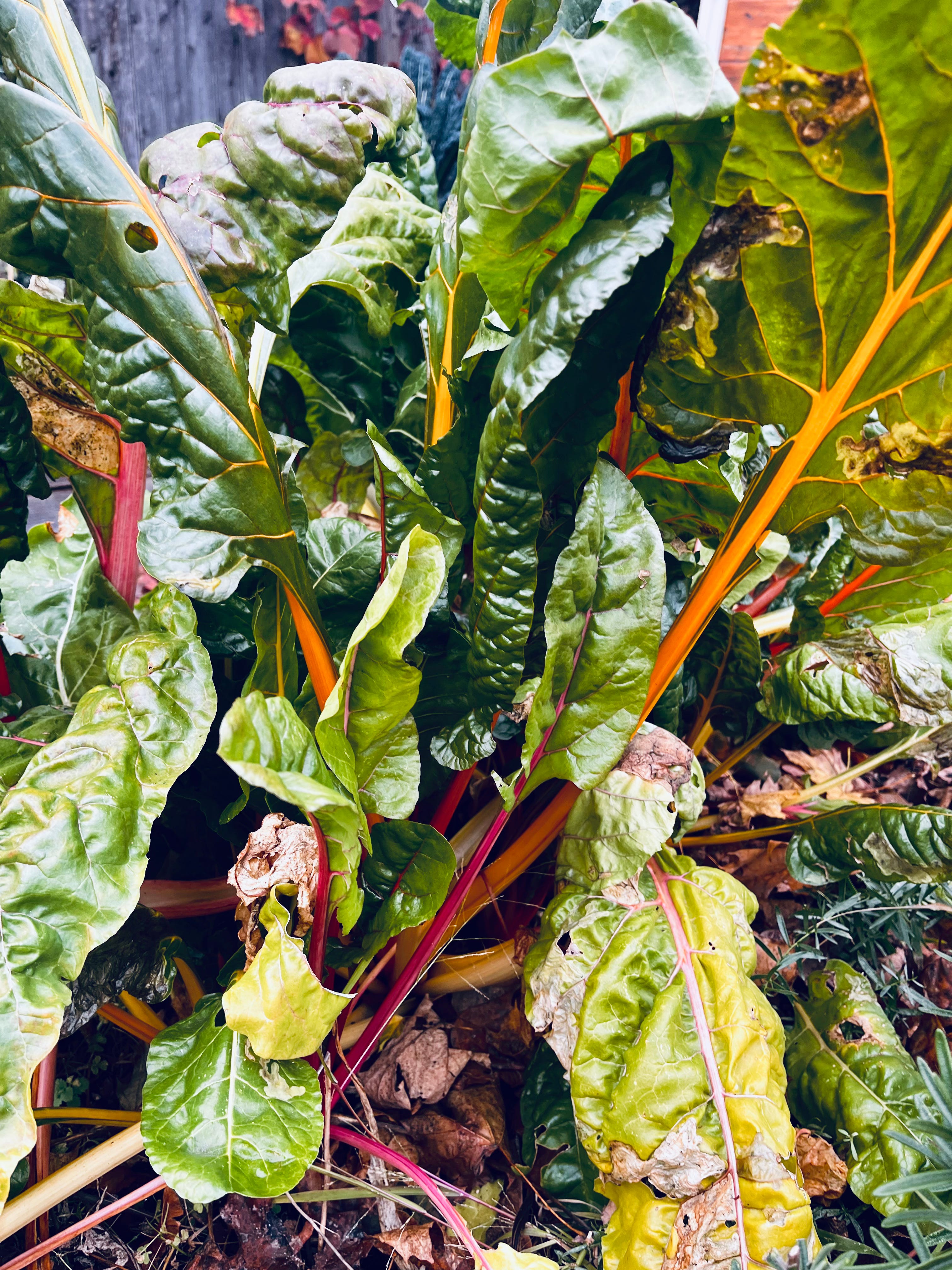
The tomatoes and summer squashes are long gone, the basil is either composted or made into pesto, and spring peas are only a dream. But all that doesn’t mean the garden isn’t still yielding deliciousness. Two plants that actually enjoy the cold are chard and kale, both of which sweeten once they’re touched by frost. Yesterday, I was caramelizing onions to put into a sourdough grilled cheese sandwich for my lunch (if you have never tried this, you should), when it dawned on me that, given how much butter I’d put into the onions, the rainbow chard I still had blazing away cheerfully in the garden wouldn’t go amiss. I darted out and snipped one of the big, red-spined shoots, chopped up leaf and stem together, and tossed it all into the pot. The result was buttery, sharp, sweet, and went perfectly with the rich cheddar of the filling. That lunch was a good reminder not to forget to eat out of the garden in November. If you’re lucky enough to have a cold frame or a greenhouse, there will be lettuce aplenty too, and nothing is as good as a fresh-picked winter salad.
2/ Mulch Roses and Fruit Trees
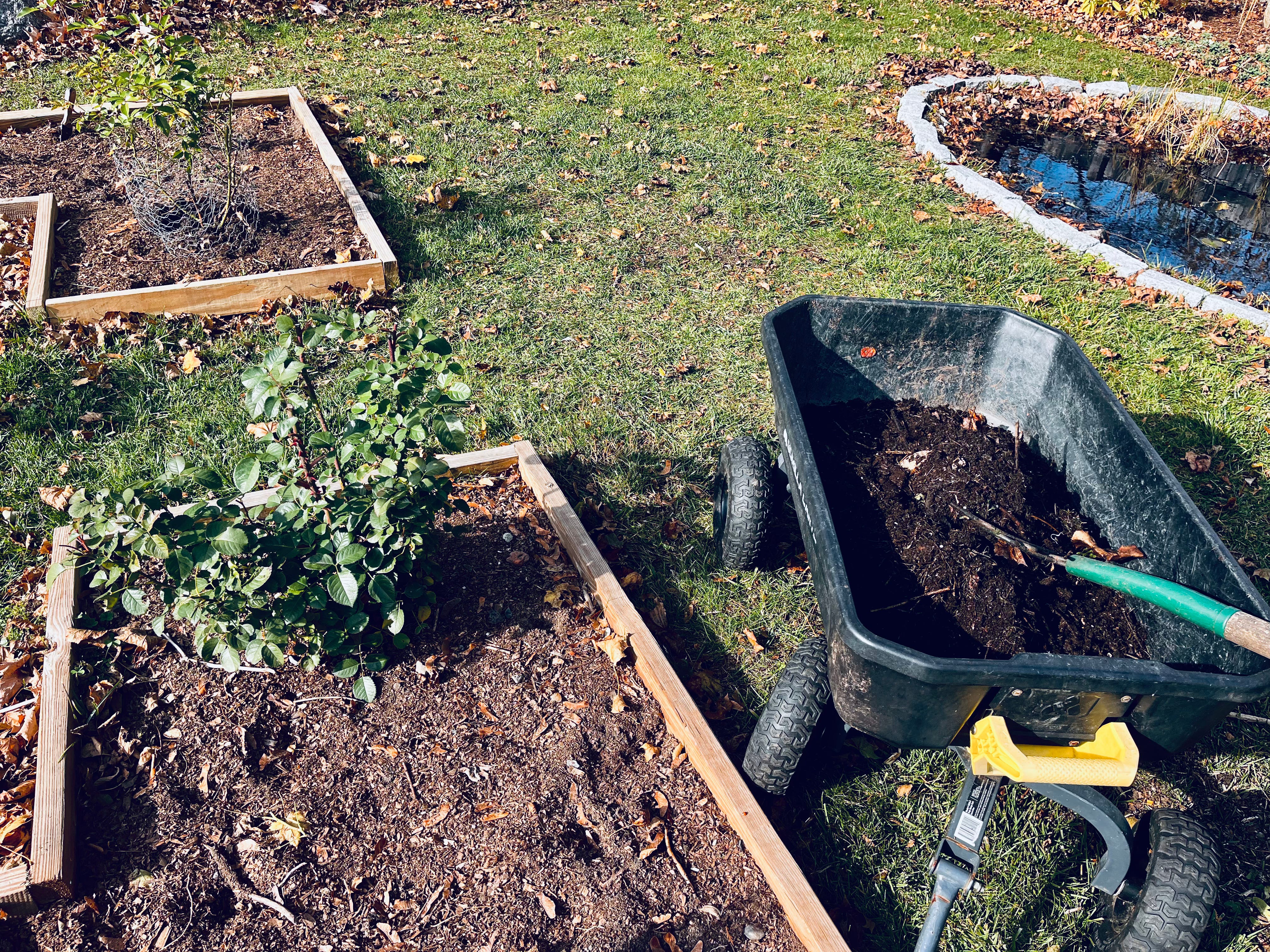
All gardeners know that spring is the best time to mulch most things, either after the plants in the borders have sent up their fresh green growth or once you’ve planted seedlings in the vegetable patch. But some plants also delight in what’s called a “winter mulching” of compost around their roots, though the process is actually best done in the fall. Two of these are fruit trees and roses and, if you have these, now is the time to dedicate some of your precious compost to them, so that the winter rains can wash fresh nutrients down to their roots in preparation for another productive year. There’s nothing better you could possibly do to guarantee strong fruit yields and resistance to disease, so don’t be sparing and don’t hesitate. Better to mulch now than to watch the plant wither or grow gangly in next summer’s humidity and heat.
3/ Make Leafmould

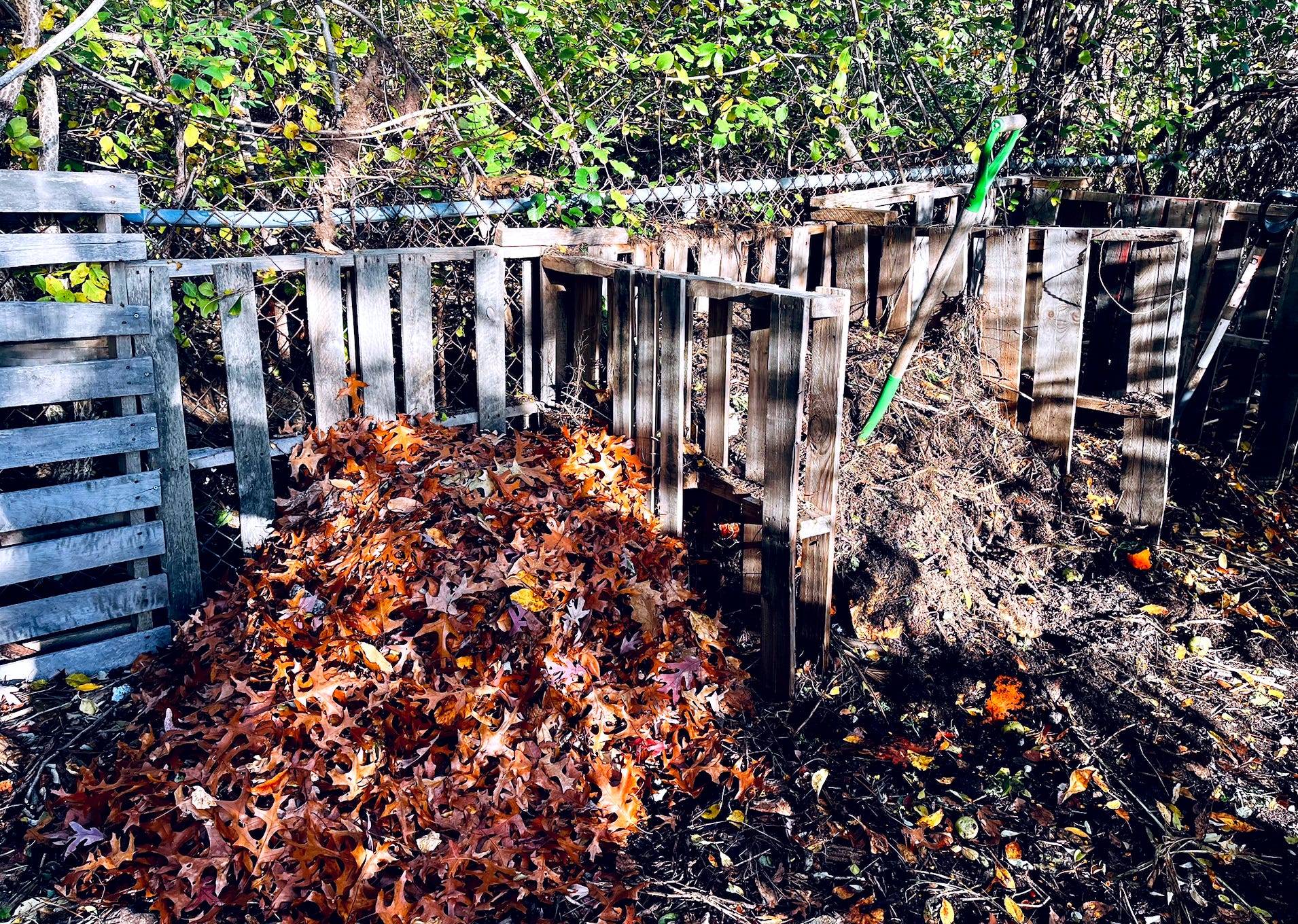
It’s a triumph of devilry that somehow, so many homeowners in America got convinced that the thing to do with fallen leaves is rake them into plastic bags and haul them off to landfills. Soil is composed mostly of fallen leaves; leaves are the mechanism trees use to shield their roots from the ravaging sun and buy back some of the nutrients spent on a year of fruit and flower. Raking them up and shipping them away is not only a waste of carbon emissions, but a squandering of one of the most valuable free resources available. Even if all you want in your yard is pure grass, you could do much worse for its health and resistance to disease than leave the bag off your mower and simply ride over all the leaves, shredding them into what amounts to free organic fertilizer that will disappear into the soil in a matter of days. But, if your gardening ambitions are loftier, you can make leafmould, that magical substance that comes about when you leave a pile of leaves to rot down for a year or two in a quiet place.
Leafmould is a deep-black, sweet-scented, open form of compost which, though somewhat lacking in nutrition, does wonders for any soul to which it’s added, improving water retention and drainage at the same time—a neat trick. If you have clay or sandy soil, or if you are interested in making your own potting mix, you should consider making leafmould, since it’s dead easy and actually saves you lots of work in the end. Honestly, it would be worth the expariement just to hold the finished project in two hands, on some fine day next October, and breathe in the purest autumnal smell in the world.
If you enjoy what you’re reading here and want to support us, why not subscribe? It’s free to all and you’ll get access to our weekly posts, as well as a weekly subscriber-exclusive chat where we brag about our gardens and beg for advice. It’s the best way to support us.
Want to support the program and look great, too? Check out our Squadlocker store for exclusive merch. All proceeds go to fund future Classical Roots projects!