
Losses and Gains
Garlic, honey, and fire
Classical Roots is a free weekly newsletter. If you want to support the cause, the best way you can help us is to spread the word.
My prediction about this October’s weather was both wrong and right. We’ve had an unusually mild month, weather-wise, with coolish and warmish days alternating in a strikingly accommodating procession. If, like me, you’re the sort of person who enjoys walking or working outdoors in cool weather, this October in eastern Mass has been ideal. But I was wrong about the rain. Our particular region has gotten much less than predicted, though, even as I type, a storm is gatheing that may dump as much as half an inch on us in a day. We could use it: though technically our droughts level is “mild,” we’ve had two very dry years and the local water tables are depleated, which is bad news for our wildlife and our rivers.
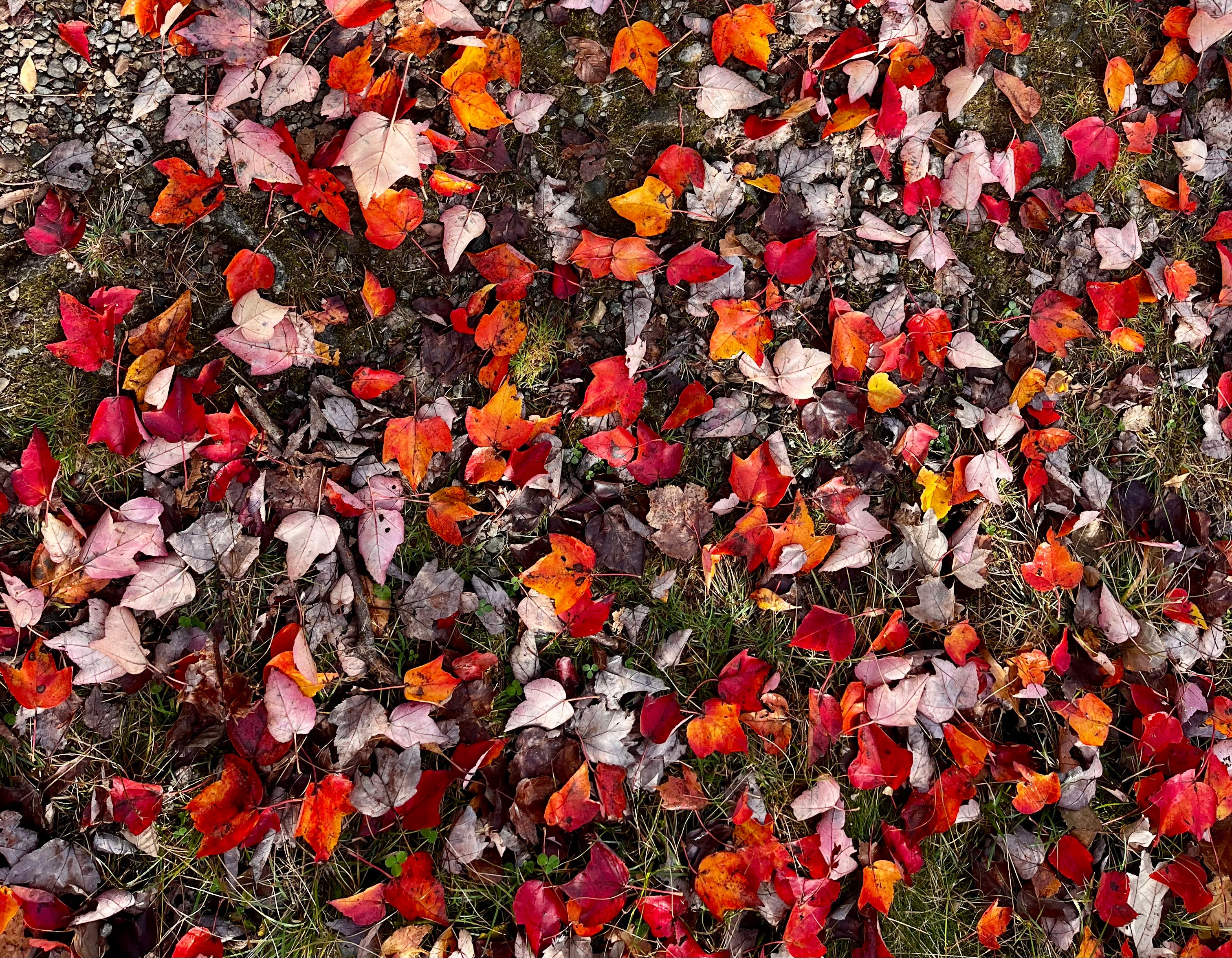
In the meantime, though, this mild weather has meant a strange lingering of summer crops and flowers in both my home garden and the gardens at school. Only this morning, I brought in more pots of dahlias to display in our front office—not something I expected to be able to do so late in the year. We’ve also still got pole beans and even tomatoes at home, though the basil I crave with a fresh tomato is long bolted, ripped up, and composted. And I know that this dream of lingering summer will soon be at an end. There’s a riot of fall color everywhere, and some trees have already been stripped to their bare architecture by the rising winds. The light fades early now and, out working in my garden last Sunday afternoon, I was struck by the moody silence of it all: just the occasional, fertive chirp of a robin, the cough of a lone crow, and the wind in the trees.
When the change comes, it’s going to come fast. It’s a season of both losses and gains: soon the long-delayed frost will come and knock back everything, and I’ll be digging in the cold, wet earth, lifting and storing dahalia tubers, piling leaves behind the shed to rot down into lead mould, and running my lawnmower with the bag attatchment over all the dead greenery in our borders to pile into the steaming, shoulder-high compost heap. To be in tune with the seasons is to be open to the sense of loss that comes with autumn: a lot of beautiful things have to go away.
You Might Also Like:
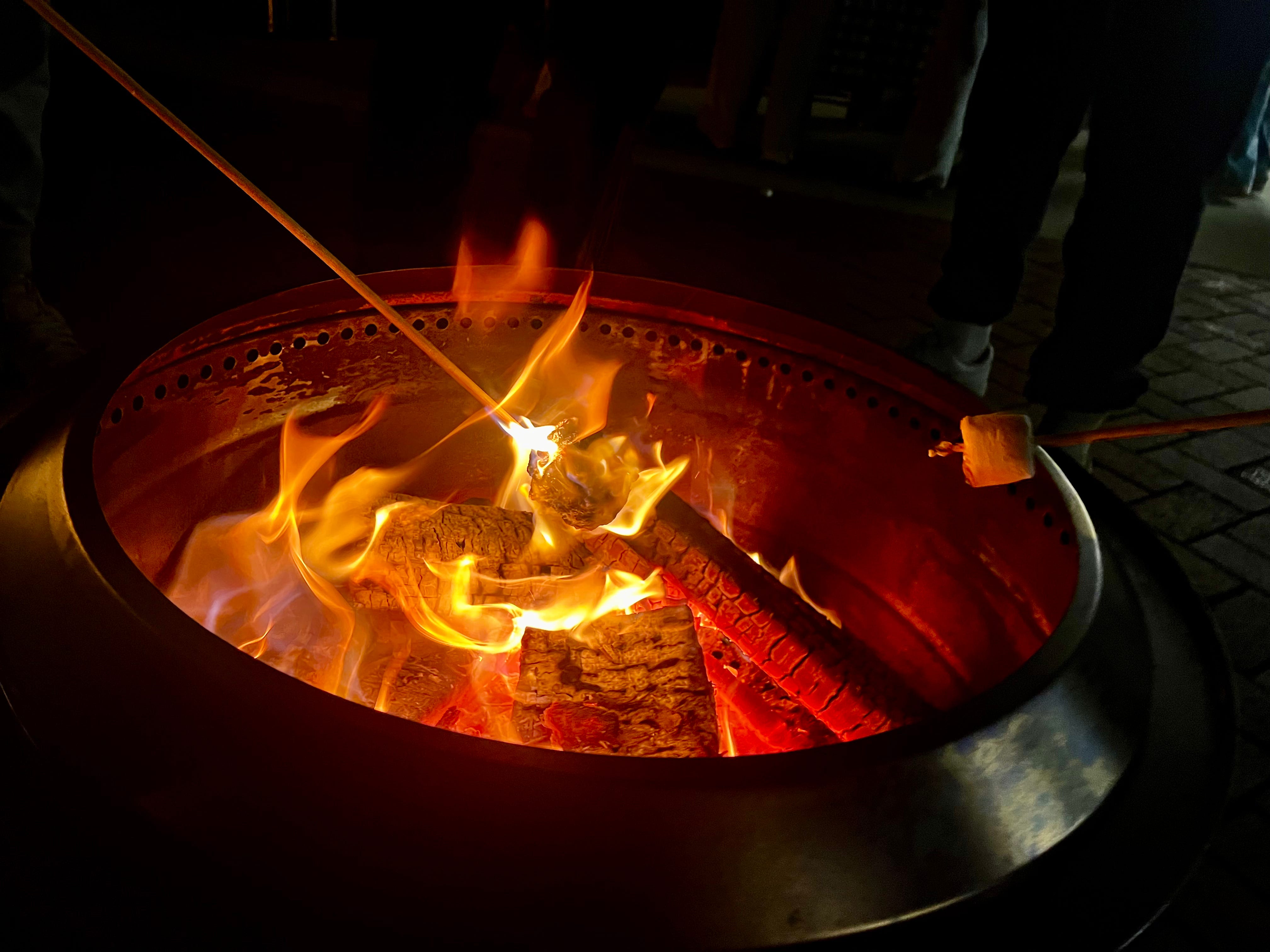
But there are gains in the autumn, too. For one, we held our second annual Night of Fire here at school, a fundraising and alumni event for the Roots program where we light up the program’s green Solo Stoves after the homecoming volleyball game and invite the Rhetoric School, along with our alumni, to join us for music, s’mores, hot cider, and even a bobbing-for-apples contest. The formula for Night of Fire is simple, but the leaping flames, cool air, and good food give it a universal appeal. Our courtyard was packed, kids forgot about their phones, and the coming of colder weather didn’t seem like such a bad thing after all.
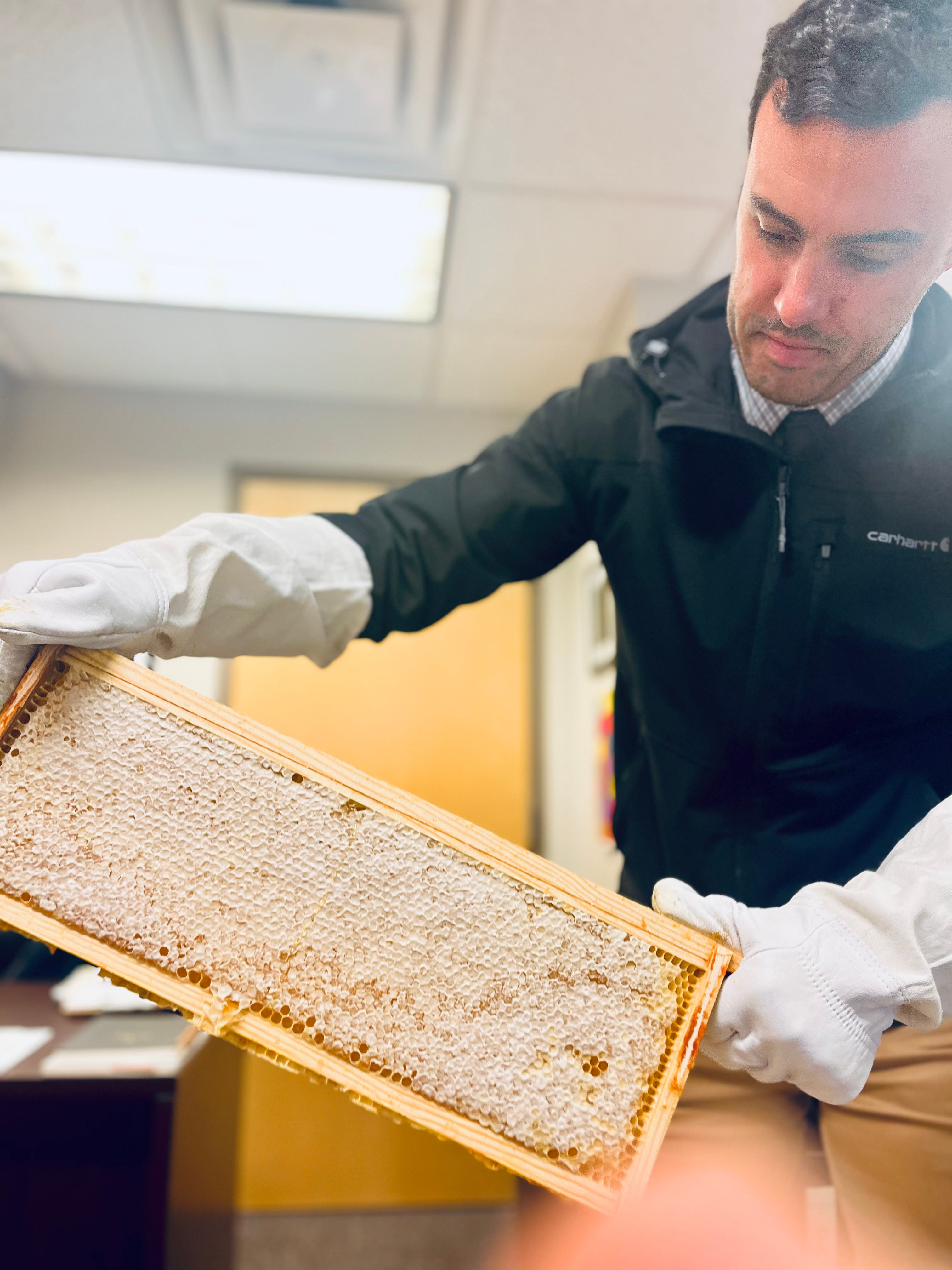
There is, of course, still kale, squash, rosemary, and chard in the garden, all of which make for excellent eating. Even more exciting, our intrepid principal and resident beekeeper pulled me into his office this morning to show off a marvel: the first honey harvest from CCA’s very own hives. He pulled out tray after tray crammed with glistening gold, and the whole room was full of the sweet fresh scent of it.
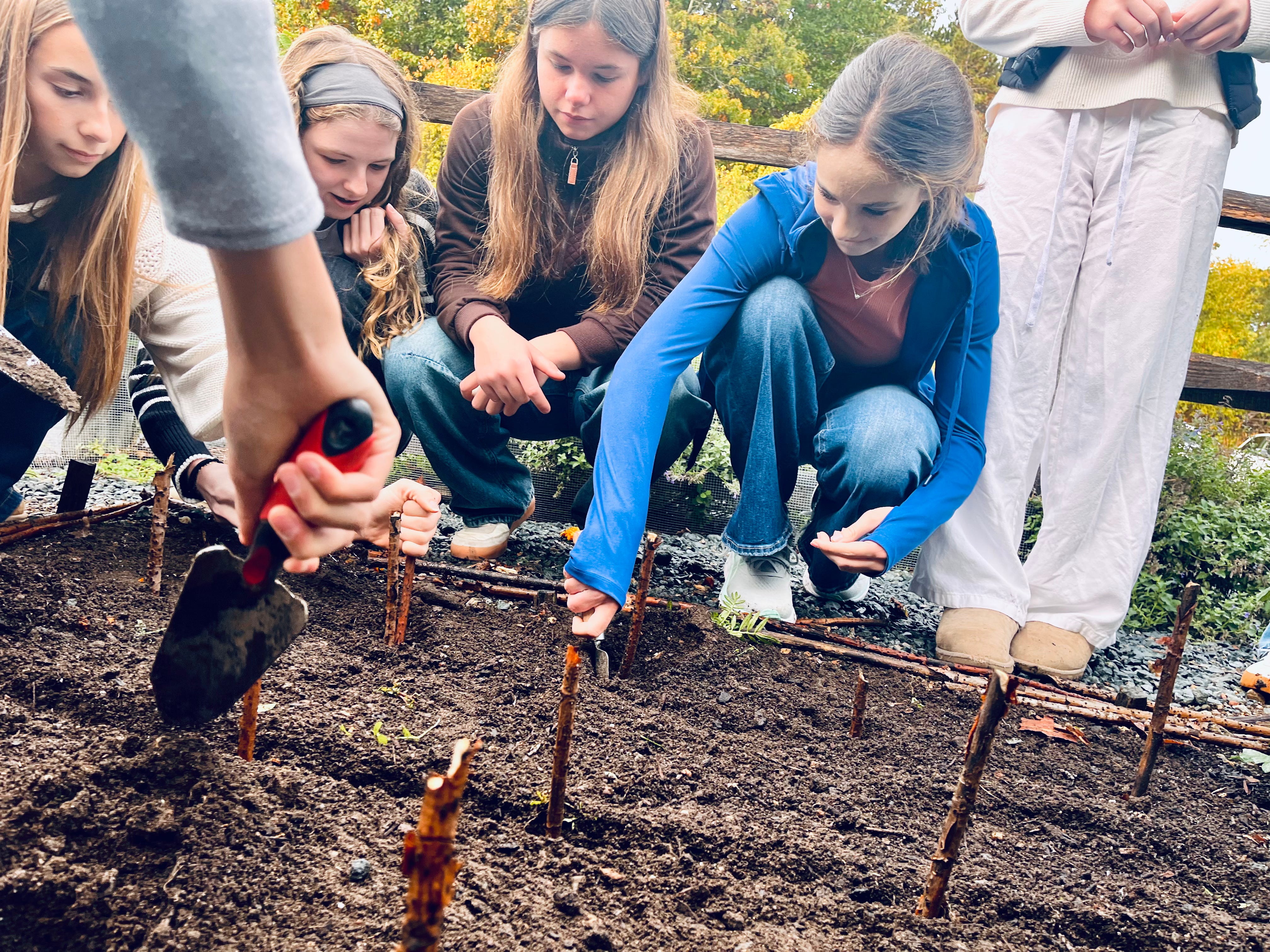
I’ve also been given the chance to teach a three-week stint of our Freshmen Seminar class, where I’m taking them on a quick organic gardening tutorial from soil to harvest. Last week, with their help, we planted over thirty cloves of garlic into the vegetable garden, each of which will grow into a full head by next July. Their collective wonder, willingness, and work-ethic left me delighted: a hint at the future I hope for, where every freshment at CCA will have to spend a year with me in the gardens, transforming and redeeming the landscape.
The growing season has lost almost all its momentum, but the Roots program seems to be gaining it. There’s a steadiness that comes with doing something consistently over time, and our efforts seem to be bearing fruit in unexpected places. There’s only one thing to do at a juncture like this: keep going.
If you enjoy what you’re reading here and want to support us, why not subscribe? It’s free to all and you’ll get access to our weekly posts, as well as a weekly subscriber-exclusive chat where we brag about our gardens and beg for advice. It’s the best way to support us.
Also: Tell me what you think! Your comments are part of what makes this program worth doing and this newsletter worth writing. If you have thoughts, advice, questions, or enthusiasm, let me know! Others are waiting to join the conversation.
"To be in tune with the seasons is to be open to the sense of loss that comes with autumn; a lot of beautiful things have to go away." I resonate with this, autumn IS so beatiful, and mournful.
Wish my grandchildren could be a part of your program....oh, wait. Great work sir. Blessings.