
Foraging for Dogwood
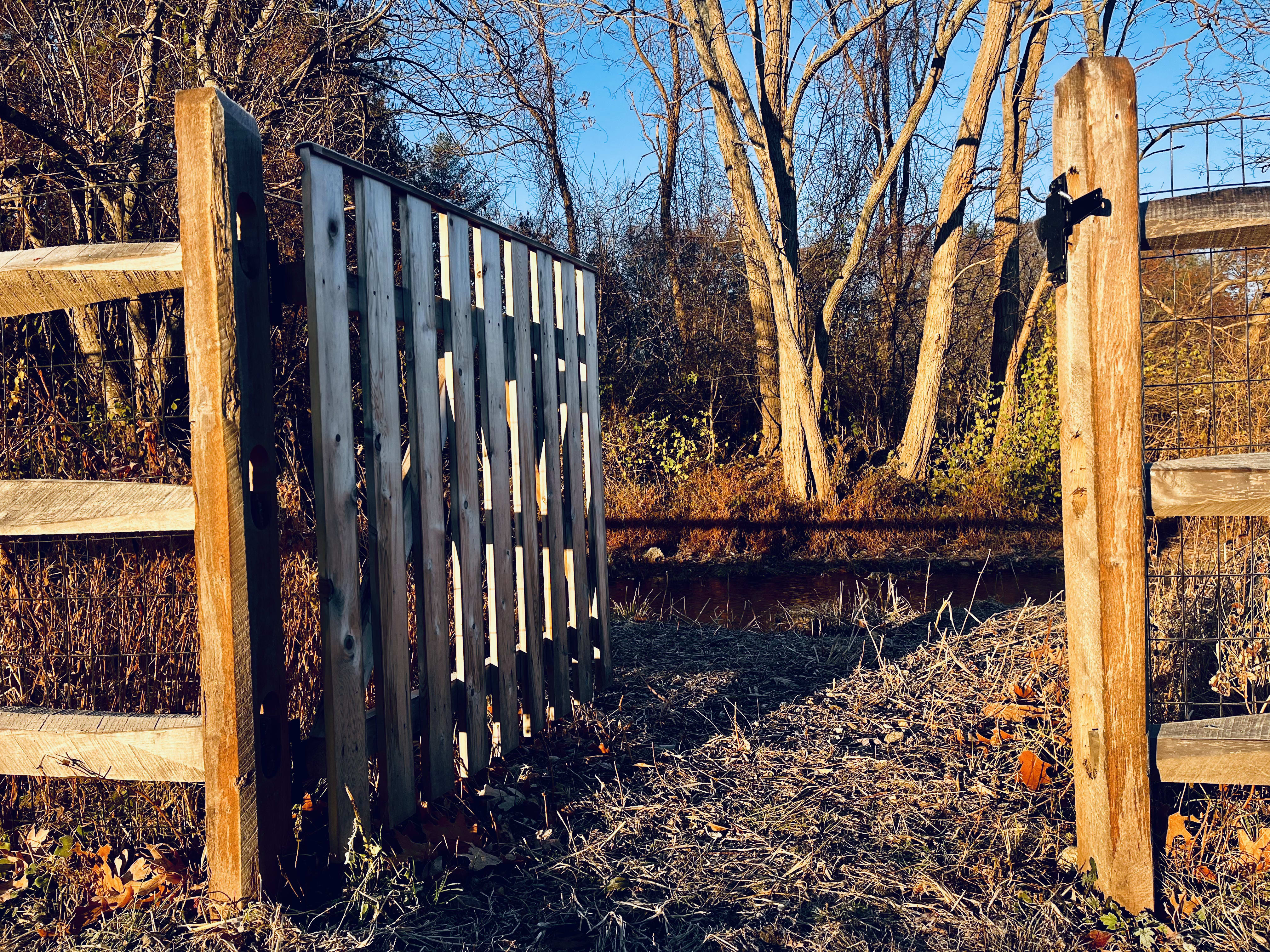
the hard grass crunching underfoot
Classical Roots is a free weekly newsletter. If you want to support the cause, the best way you can help us is to spread the word.
We could all do worse than choose careers that correct for our vices. Growing up, I loved to read, but knew I was too lazy to do it on my own steam. The fear of losing the habit was part of what informed my choice to get into teaching English. A lover of nature but a latecomer to gardening, I’m now busy lashing my professional self to the mast of the school garden, willing to go down with the ship if the alternative is to be stuck inside all day.
And since the Classical Roots Program is now—blessedly—part of my life’s daily business, I end up outdoors on days and at hours when I’d normally avoid it. This morning, a bright, bitter one with a north wind as ruthless as flint blowing steadily through the trees, was one of those times. Last week, I sent a few students to a local garden store to buy juniper sprigs and red dogwood twigs to make potted displays for the school’s entrances. They returned with lovely stuff, but precious little of it, and for good reason: small clusters of juniper were close to twenty dollars a pop, and the dogwood was two dollars a stem. Though I’m eager to support local growers, at those prices, the supplies to make only a few large pots would drain our whole annual budget.
So, with an hour before class, I went out without a hat, Bilbo Baggins-style, into the cold to scour the campus for forageable decorations. The school is flanked on two sides by wetland, and it seemed likely enough that I’d find winterberry growing in abundance if I looked hard enough. A pair of snips in my pocket, I crossed the soccer field’s dun-yellow, frosted expanse, struck by its unexpected beauty.
This time of year, the sun’s arc barely passes over the treetops, so its thin beam hits the world at an exhausted angle. There are evenings when that strangled light is very bleak on the frosted seedheads of spent flowers or gray-scudded piles of old snow. But on this particular morning, with the hard grass crunching underfoot and the brown-yellow oak leaves kettling in the air, the sun’s thin gold gave the campus the brooding power of a Dutch landscape painting, where small figures hurry through the brief light, busy about their inscrutable business. A bluejay, startled by my approach, tore out of an oak tree like a blown rag, scolding and chittering at me as the wind carried it off.
You Might Also Like:
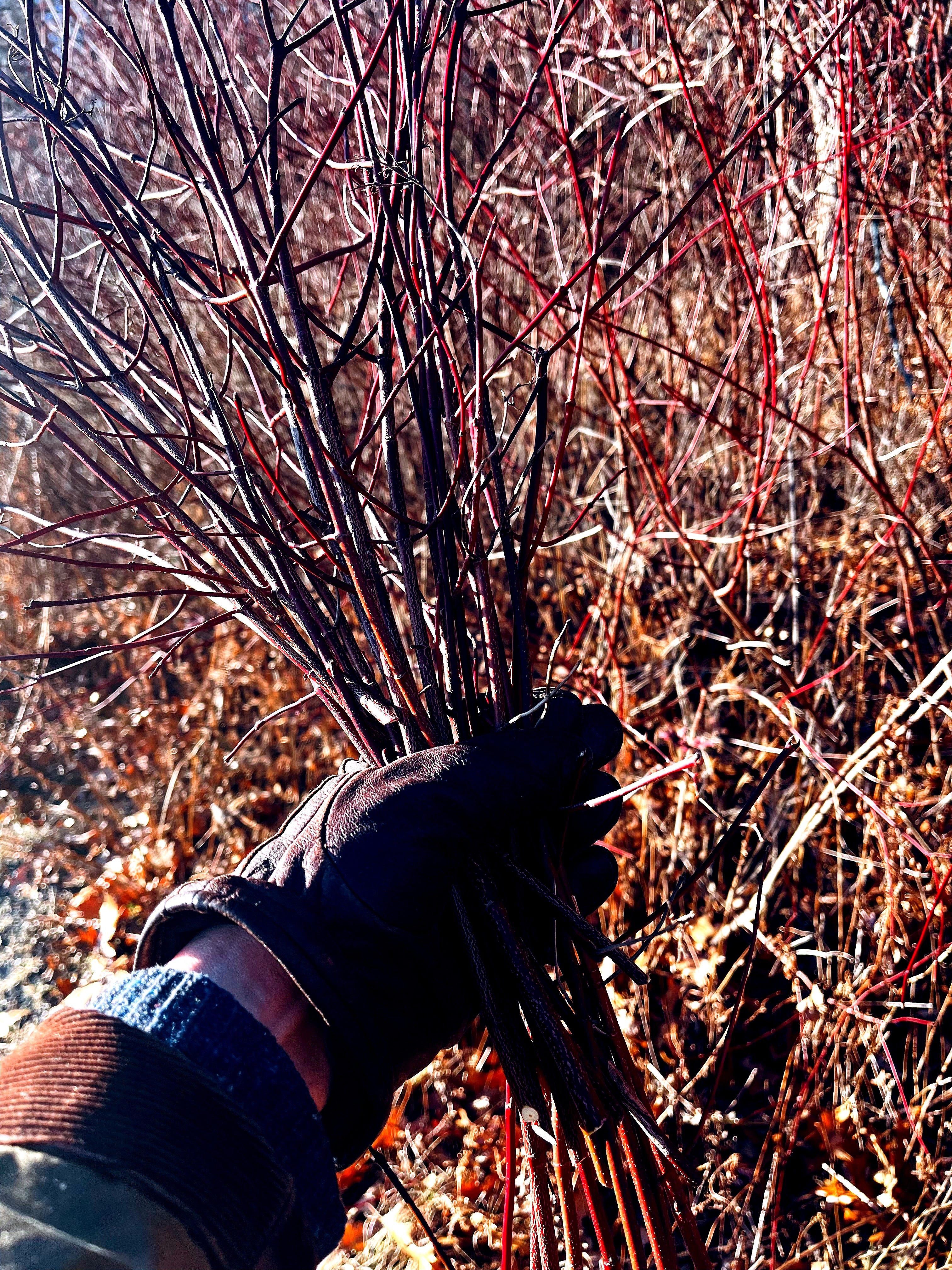
There were no winterberries in the woods. I stamped and rubbed my ears, with the huge noise of the wind growling in the trees overhead. Switching to plan B, I plodded back along the running track, scanning the undergrowth for rose hips. I was wrestling a modest branch of these out of its nest, and cursing my luck for the sparseness of it, when some part of my mind shifted, and my own inner voice seemed to say, “Look closer.” I stepped back, and realized that the little spray of roses I’d been struggling with was growing in a thicket of red-twig dogwoods. Everywhere around me, stabbing and flaming in every direction, was the unmistakable carmine of those branches. In ten minutes, I was walking back—my ears numb and red as the stick—with armloads of them; far more than we would need to decorate every entrance in the school.
But the most striking thing about that whole hour wasn’t the generosity of the landscape, which always seems to contain gifts for a stubborn forager. It was the austere prettiness of it, and the gratefulness I felt for having seen it. There are certain scenes whose beauty is intensified by loneliness: starry skies, restless oceans, far-off flocks of birds. This was one of those. I was a witness to the cold beauty of an empty landscape, and thankful to be passing through.
If you enjoy what you’re reading here and want to support us, why not subscribe? It’s free to all and you’ll get access to our weekly posts, as well as a weekly subscriber-exclusive chat where we brag about our gardens and beg for advice. It’s the best way to support us.
Want to support the program and look great, too? Check out our Squadlocker store for exclusive merch. All proceeds go to fund future Classical Roots projects!