
December Garden Advice
Racing toward the long dark...
Classical Roots is a free weekly newsletter. If you want to support the cause, the best way you can help us is to spread the word.
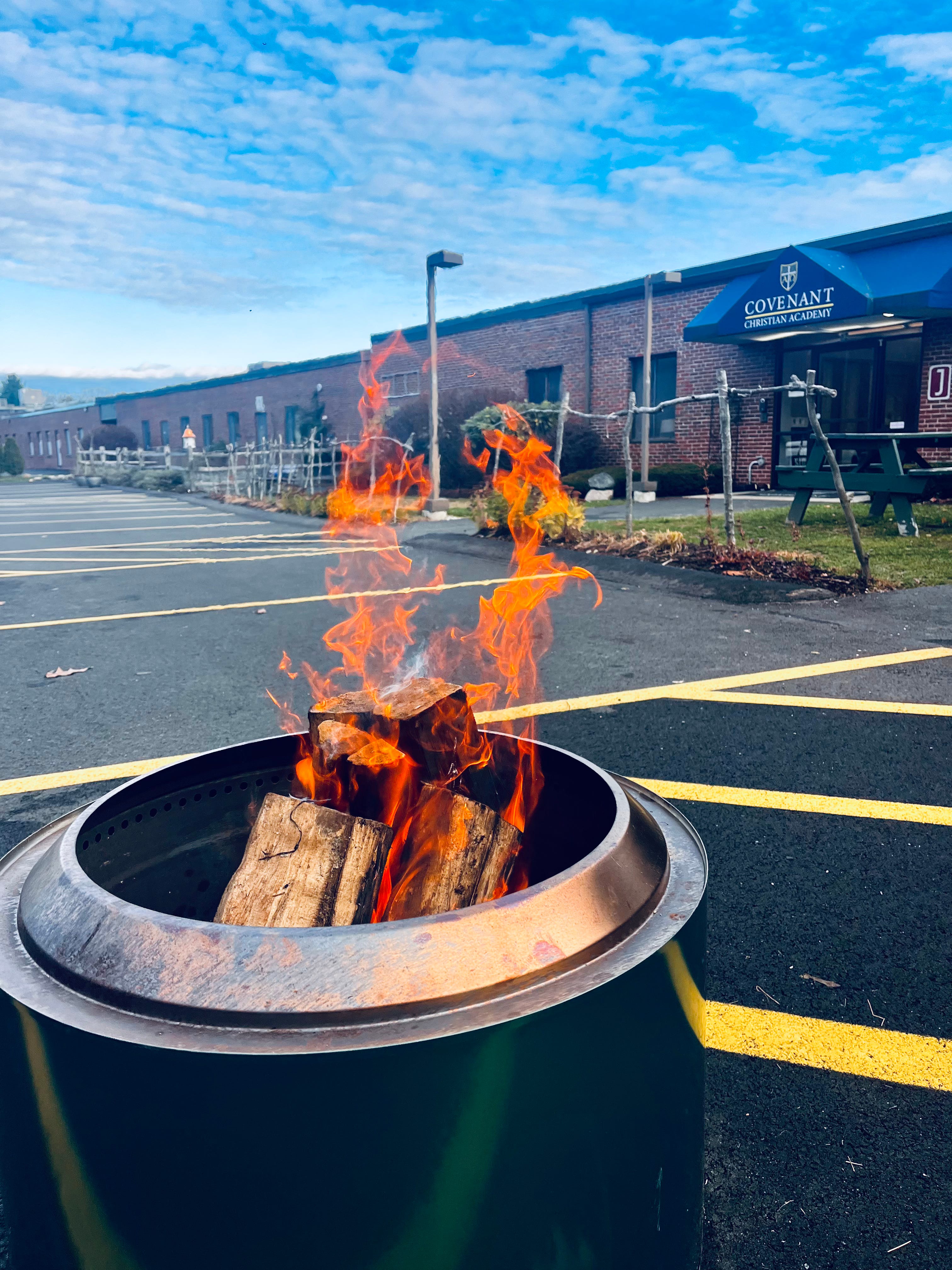
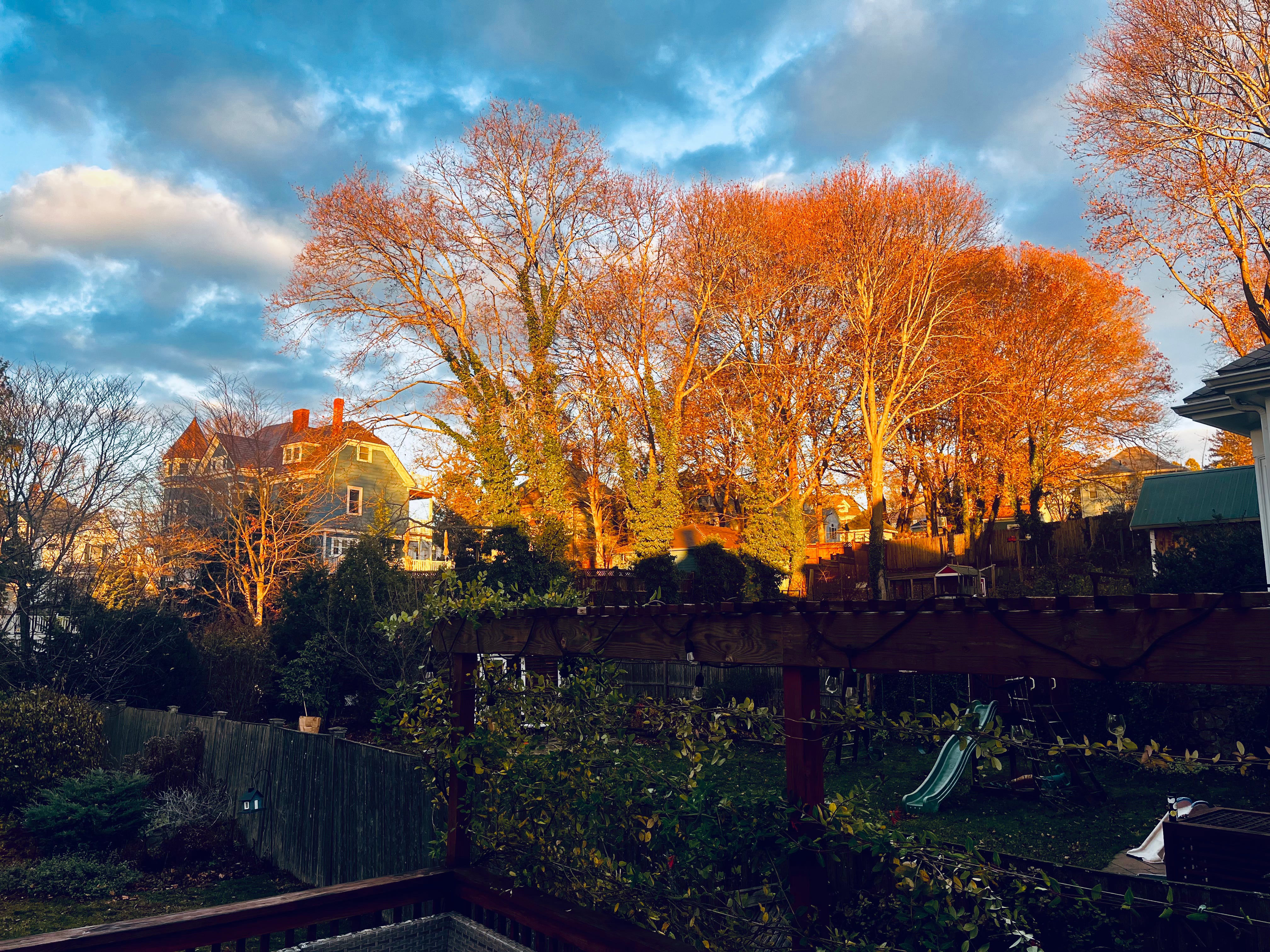
Spend any time outside this month and, if you’re in the northern hemisphere, you’ll sense the world racing toward the long dark of the winter solstice. Striking the globe aslant, the pale orange-yellow sun falls delicately on the last leaves and lingering flowerheads. Horticulturally, our imaginations are now dominated by the traditional plants of the festival: the glossy red and green of holly, the evening blue of juniper, the dramatic carmine of winterberry doubled on the sheen of frozen ponds.
If you have warm enough clothes, it’s a fantastic month to go for a family hike or solitary walk: the ground is hard and sure underfoot, cardinals, robins, and jays are cheerful and easy to see through the sticks, reasserting their dominance of the deciduous woods from which wrens, finches, and swallows have fled. And, though nothing compares to the roar of a summer storm in a green wood, the wintry version is also wonderful to hear: the high hiss of wind in bare poplars, the white clatter of birches, or the sigh of a breeze in the pines.
I recently met someone who, hearing I was a gardener, told me they always loved the look of a garden but never wanted to put in the work. This is missing the point: the work of the garden is part of its appeal, since it calls you out into a liturgy of bodily awareness of the world. You don’t just regard the seasons through the window like a passenger in a train; you live them, participating in the great enactment of earthly change that is a large part of the human inheritance. The more time I spend watching and working the garden, the more time seems to slow down and accelerate at once, dilating to a better pace and a more even focus. I do not wait impatiently for seasons to end. I’m cured of the delusion that the earth is ever “still” or “asleep.” It never is—it only wakes and works differently. I used to dread December and January’s long darkness, but now I understand it, at least partly, for what it is: a season of beauty and brevity.
You Might Also Like:
And, of course, there are still ample things to do in and around the garden for those with a good hat and a pair of gloves:
1/ Cut Homemade Displays
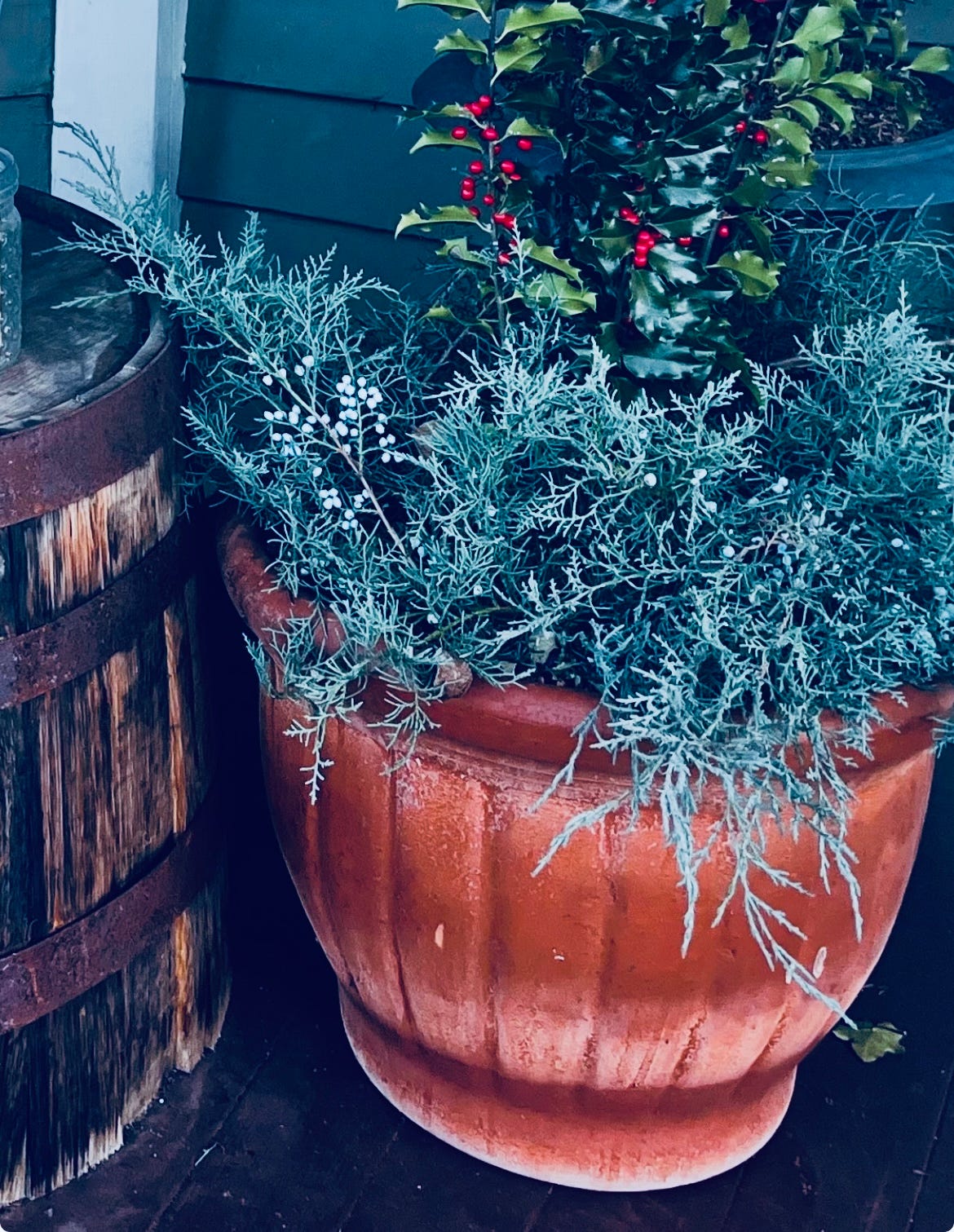
Fresh Christmas greens can cost an arm and a leg. The price is usually worth it: not only are you taking the opportunity to support local growers, but you are also filling your house with the piny smells of the season, which pull off the unique trick of being both bracing and comforting at the same time. But, if you have ambitions for big porch or table displays, you might not need to look further than your own backyard for supplies. I am a great believer in cut juniper as a decoration: it keeps its look and scent for weeks, comes in all sorts of intriguing shades of green-blue, bears cheerful berries that smell like gin, and is typically available for free in abundance. Supplement it with a little holly, some red-twig dogwood, or winterberries snagged on a snowy hike, and you can make kingly potted displays at little to no cost.
2/ Sow Wildflower Seeds
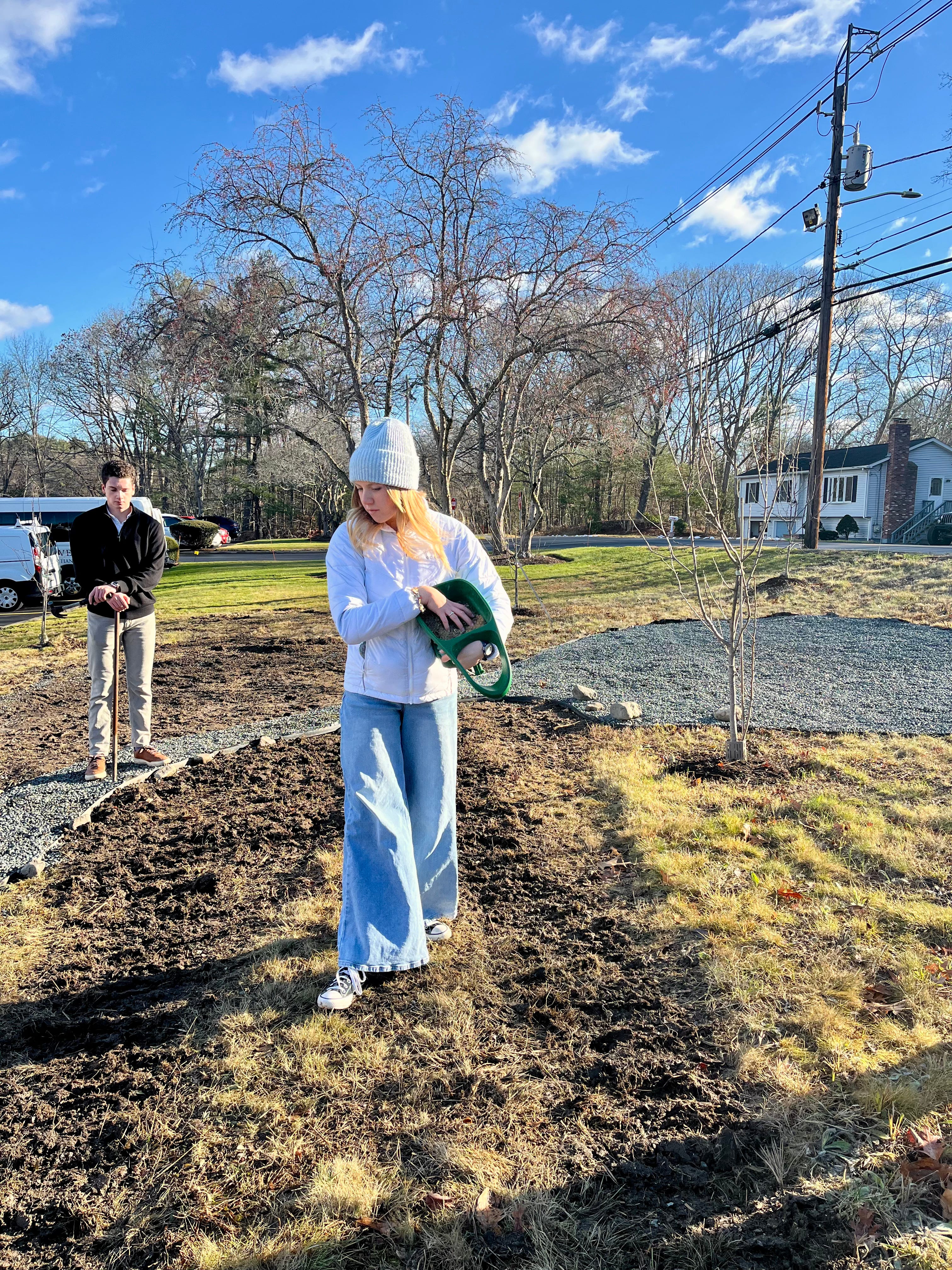
It’s become trendy to “rewild” your yard, tilling up some portion of your grass and replacing it with wildflowers. This process can be more complicated and less forgiving than most people imagine, though it is still well worth the effort. There’s no such thing as a “low-maintenance garden:” by definition, a garden is a tended piece of land. Still, there are versions of the perennial wildflower garden that need relatively little intervention to thrive: you sow seeds at the proper time, let them bloom, manage their numbers a bit, and mow them once a year. If you are planning on doing this, late fall is actually the best time to sow seeds. This is because many wildflowers have evolved to cohabitate with man, particularly with man’s tendency to make and cut meadows for animal feed. The plants go through their annual life cycles just in time to bear seed in late summer or early fall, then the mowing and harvesting process knocks them down, scattering the seed at precisely the right moment. That seed lies aground through winter, its shell partly broken down or “scarified” by the hard weather so that it germinates in spring. The upshot of all this is that, if you want wildflowers to grow in your garden in spring, you should hack or rake the tilled earth and broadcast seed thinly in December.
3/ Do Hardscaping
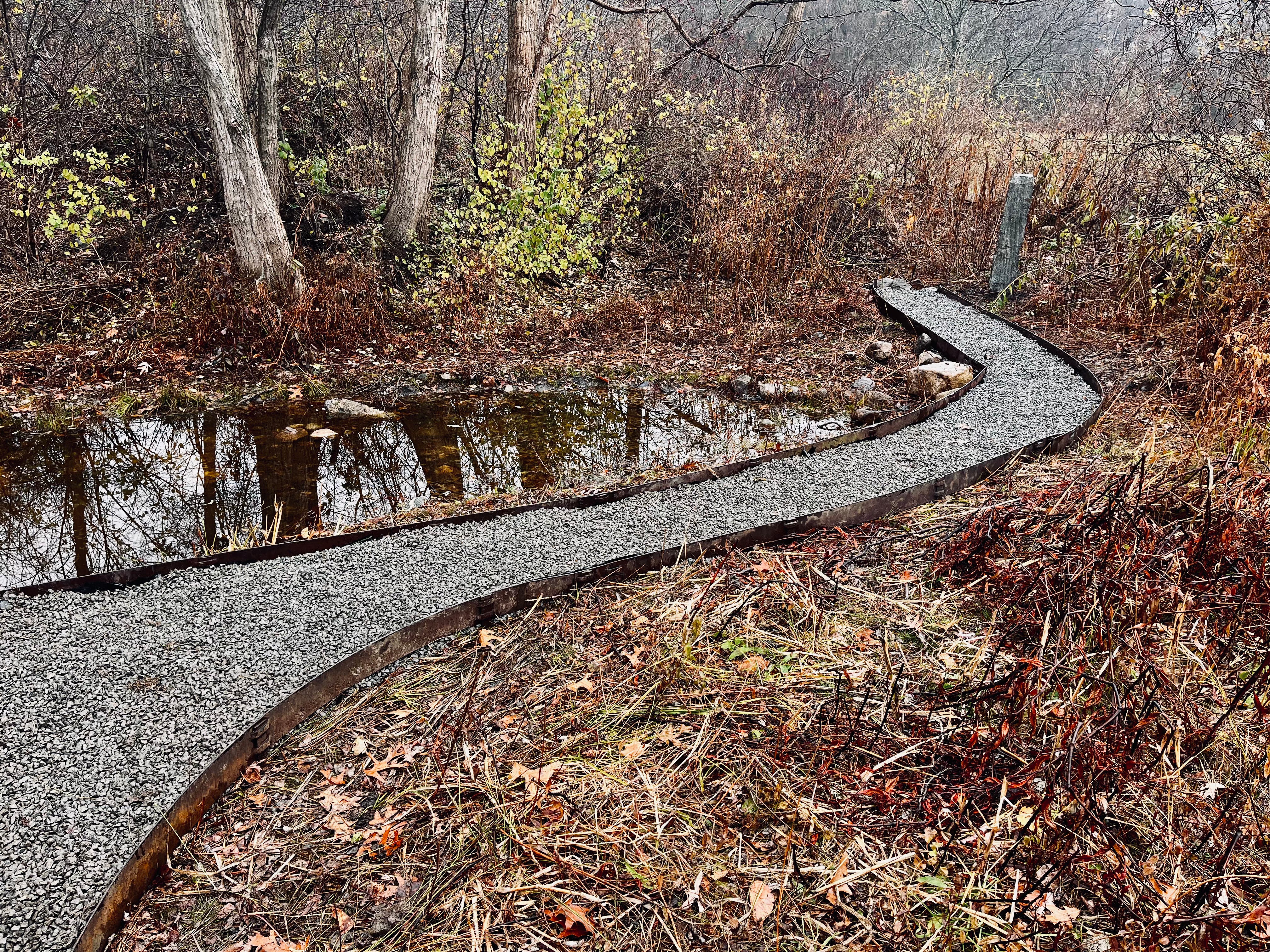
These are the last days before the ground freezes hard as stone, typically for weeks or even months on end. At the same time, all of the summer’s undergrowth has died back, leaving previously unreachable groves, thickets, and borders passable on foot. That combination makes December an excellent time to do hardscaping, putting in paths, posts, sculptures, or even fences before the big freeze. I have learned the hard way that, when planning a garden, you should always install hardscaping before you plant grass or flowers, otherwise the labor of digging and laying it will leave your plants a mess. But even if, like me, you are going about it the wrong way, there is little so striking or effective you can do for a garden as giving it the underlying structure of a good, clean set of walls and paths. They make it far easier to walk and tend the garden in all seasons, lend a pleasing, geometric visual stability to the landscape during sparser months, and encourage you to do that most civilized and healthy thing, pottering around. Somehow, a stretch of unbroken yard is much less inviting than a path. Yards are for seeing, but paths are for walking.
If you enjoy what you’re reading here and want to support us, why not subscribe? It’s free to all and you’ll get access to our weekly posts, as well as a weekly subscriber-exclusive chat where we brag about our gardens and beg for advice. It’s the best way to support us.
Want to support the program and look great, too? Check out our Squadlocker store for exclusive merch. All proceeds go to fund future Classical Roots projects!