
All the Light There Is
...a serene splendor
Classical Roots is a free weekly newsletter. If you want to support the cause, the best way you can help us is to spread the word.
I’ve realized that I think—and write—routinely about light. In grad school at the University of Edinburgh, I wrote a whole sonnet series called “Times of Light.” Both the title and the poems were abortive, but the impulse to describe things on those terms is as strong as it ever was. And rightly so. Light—its angle, quality, color, duration, and intensity—is one of the most prevailing aspects of our experience. Dutch landscape painters used to steal Italian light to add a certain Mediterranean tristesse to their windmills, green hills, and frocked, wagon-pulling peasants. They were applying actively the knowledge each of us possesses instinctively: that the same scene—your back yard, say—even accounting for no other differences in growth or arrangement or bloom, would be utterly different if you swapped out the brassy-gold light of September for January’s thin silver.
Plants, of course, respond to the light even more readily than people. But we, too, convert it into something useful through our skin: we buy expensive (and ineffective) vitamin D lamps to hang in our offices in winter. It is not the same. There is no substitute and, in an ideal future, we would all have a federally-mandated half hour on top of our lunch break dedicated to a constitutional. A walk is essential. It is an expression and a reclamation of our humanity.
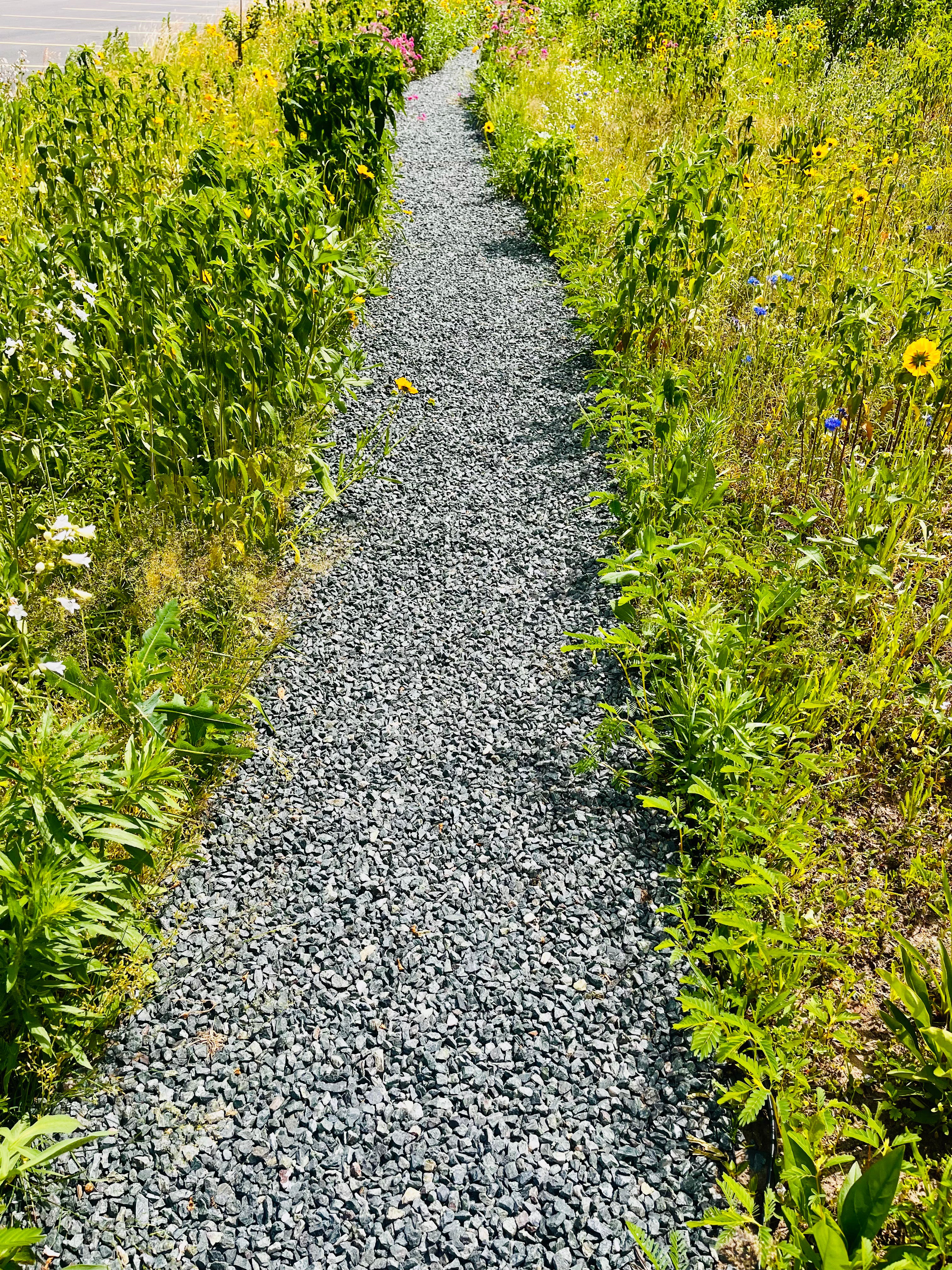
But plants cannot walk and so have to shed their leaves, or die back entirely, when the sun retreats. Yet all of that seems very far away now. It is midsummer, fast approaching Midsummer’s Day, and the green world rests in a serene splendor untouched by even a hint of decay. My first round of spinach has started to bolt, the roses are flushed with ruffled white finery, and the birds are active in the breezy undergrowth.
You Might Also Like:

I am not the sort of person who wishes that summer could last forever. In fact, that idea is anathema to any true gardener, for whom there can be no joy in the harvest, no satisfaction in the beauty of a plant or border that is “having its moment,” without the constant changes that enforce waiting and build our anticipation. But there are seasons, and weeks or even days within them, that seem to take on a kind of festal significance, as if nature were observing a rite more ancient than any human holiday, and we had stumbled in, and received a smiling invitation.
Midsummer is one of those moments, one of those seasons. All the light there is, the greatest abundance of it we will see all year, is percolating down into every crack of creation. And nature, whose impulse is to cram every gap with life, responds not with the scrambling, amorous rush of spring, but with a stately constancy. The resident rabbits, whom I have given up fighting, wend through my yard at dawn in fresh coats of mottled chestnut and nibble off the blooms of clover. Clusters of goldfinches, the males black and acid-yellow, the females a charming pebbled brown, cling to the spent spurs of salvia, chattering to one another and picking the seeds, then clamor away as I approach and fly in a tight cluster that kneads and dips its way through the air, disappearing into the maples with a scolding music. Osprays scrape the sky with their broken flutes, soaring through the high blue on their way back from offshore hunts. And once, a few nights ago at sunset, a silent coyote rose from the grass near our pond, its belly fox-red and its back a peppered silver, and looked at me for a while, filling the whole yard with its wild, grassy musk, then slinked away under the fence.
Those who cannot quiet themselves and stand in the long light of these mornings and evenings and take it in, observing the rite of midsummer, witnessing the teeming processions and comings and goings of the living things around us, are impoverished. Sometimes it’s hard for me. I draw inward, caught up in the radio or the news or dinner or the many legitimate claims to human attention. But any tithe of time paid to simply standing and watching will be given back with interest. It is not that we should—or could—disappear into it, become part of it. It’s that to brush against that world outside ourselves, unconscious of us yet vulnerable and subject to us, too, is to be humanized. We are not ourselves without it. It is the light by which we see ourselves.
If you enjoy what you’re reading here and want to support us, why not subscribe? It’s free to all and you’ll get access to our weekly posts, as well as a weekly subscriber-exclusive chat where we brag about our gardens and beg for advice. It’s the best way to support us.
Want to support the program and look great, too? Check out our Squadlocker store for exclusive merch. All proceeds go to fund future Classical Roots projects!
Beautifully written...I'm going outside now.